
Hypoglycemia Risk Calculator
Calculate Your Hypoglycemia Risk
Every year, thousands of people with diabetes end up in emergency rooms because they didn't realize alcohol could drop their blood sugar dangerously low. When you mix alcohol and diabetes medications, the risks are serious-and often misunderstood. The liver, which normally keeps blood sugar stable, gets distracted by alcohol and stops doing its job. This can lead to hypoglycemia, a life-threatening condition where blood sugar drops too low. Let's break down why this happens and what you need to know.
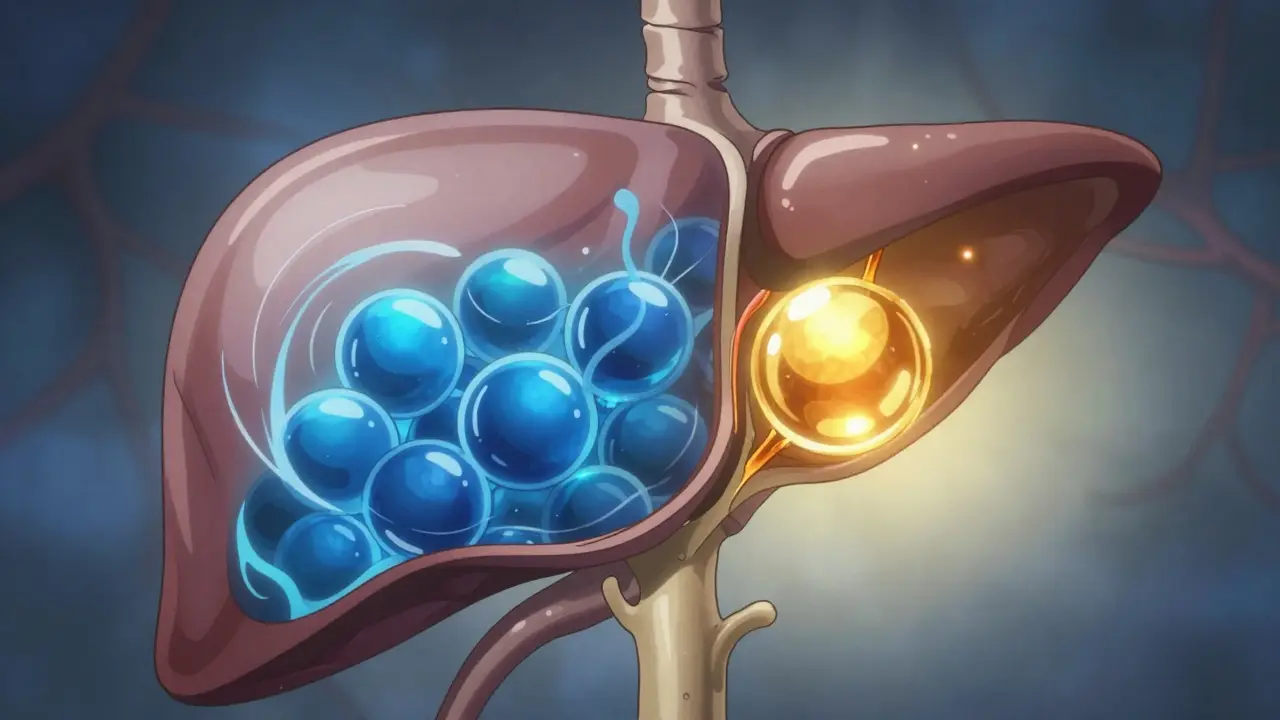
Why Alcohol and Diabetes Medications Don't Mix: The Liver's Role
Your liver does two big jobs: storing and releasing sugar to keep blood glucose steady, and breaking down alcohol. When alcohol enters your system, the liver prioritizes processing it over regulating blood sugar. This means it stops releasing glucose into your bloodstream. For people taking diabetes medications like insulin or sulfonylureas, this creates a perfect storm. Without extra glucose from the liver, blood sugar can crash dangerously low. WebMD explains this clearly: alcohol blocks the liver's ability to produce glucose, especially when you haven't eaten. This is why drinking on an empty stomach is risky.
The Silent Danger of Hypoglycemia
Hypoglycemia symptoms-shaking, sweating, dizziness, confusion-often look like intoxication. Slurred speech? That could be low blood sugar or just being drunk. Drowsiness? Both can cause it. This overlap makes it hard for others to tell if you need help. The American Diabetes Association warns that hypoglycemia can happen hours after drinking, even while you're sleeping. If you're exercising or taking certain medications, the risk is even higher. Imagine waking up at 3 a.m. with a pounding headache and confusion. You might think it's a hangover, but it could be a blood sugar emergency. Many people with diabetes report needing emergency glucose treatments after drinking because they didn't realize the danger.

Specific Medication Risks: Metformin, Insulin, and Sulfonylureas
Not all diabetes medications react the same way with alcohol. Metformin is common for type 2 diabetes. While it doesn't directly cause hypoglycemia on its own, mixing it with alcohol increases the risk of lactic acidosis-a rare but serious condition where lactic acid builds up in the blood. Medical News Today notes that both alcohol and metformin stress the liver, making side effects like nausea, stomach pain, and vomiting worse. Insulin and sulfonylureas (like glipizide or glyburide) are even riskier. These medications force your body to release more insulin, which lowers blood sugar. Alcohol compounds this effect. The CDC reports that 37.3 million Americans have diabetes, and many take these drugs. For them, even one drink without food can trigger a dangerous drop in blood sugar.
Liver Health: When Alcohol and Medications Overload Your Body
Chronic alcohol use damages the liver over time, leading to conditions like fatty liver disease or cirrhosis. For people with diabetes, this is especially dangerous. The liver already works hard to manage blood sugar. Adding alcohol to the mix means it's overburdened. A 2021 study in the Journal of Diabetes Science and Technology found that alcohol can worsen insulin resistance, making blood sugar harder to control. Continuous Glucose Monitoring (CGM) devices like Dexcom G7 or Abbott Libre 3 help track these patterns. They show how alcohol spikes and crashes blood sugar hours later. The Joslin Diabetes Center is currently studying how moderate drinking affects liver function in diabetics over 12 months, with results expected in late 2024. Until then, caution is key.
Safe Drinking Practices for People with Diabetes
If you choose to drink, follow these steps to stay safe:
- Always eat before drinking. A meal with carbs (like whole grains or veggies) helps slow alcohol absorption and keeps blood sugar stable.
- Choose lower-carb drinks. Light beers, dry wines, or seltzers with lime are better than sugary cocktails or sweet wines.
- Avoid binge drinking. The CDC defines heavy drinking as five drinks a day for men or four for women. Stick to one drink max.
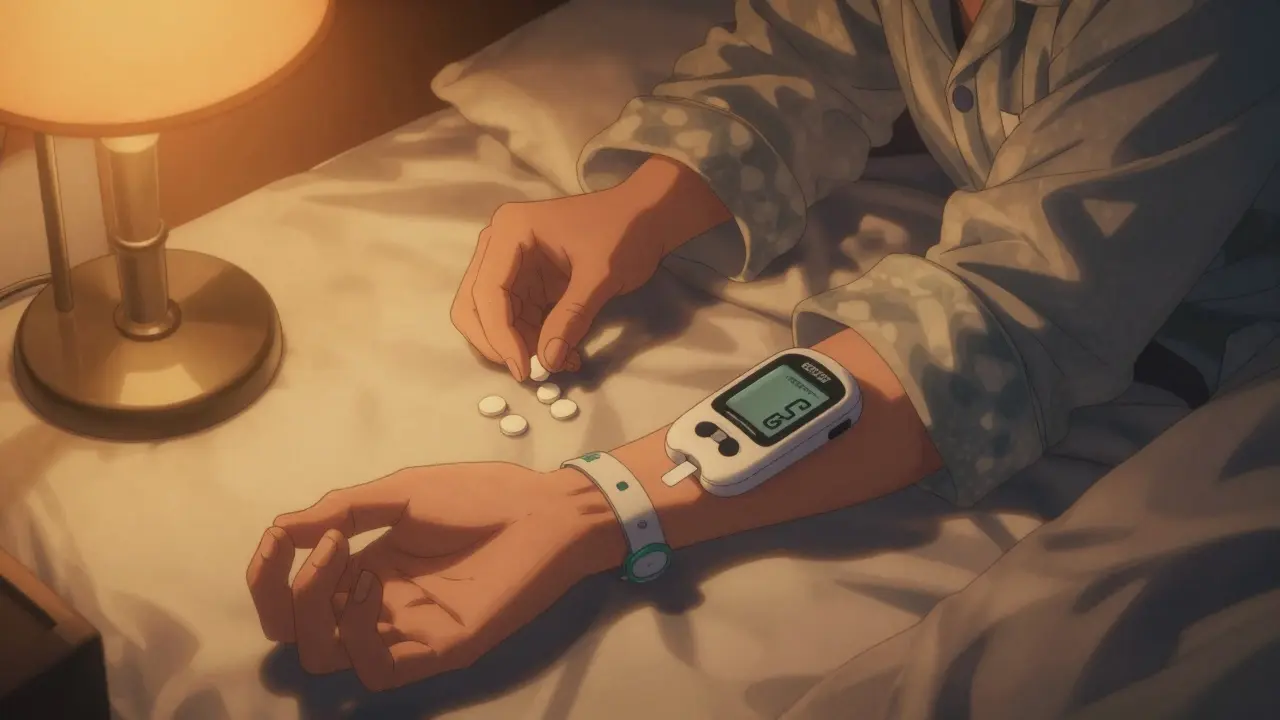
- Check blood sugar before bed. If it's below 100 mg/dL, eat a small snack. Set an alarm to check again in a few hours.
- Wear medical ID. If you pass out, others will know you have diabetes and need glucose.
What to Do If You Experience Hypoglycemia
If you feel shaky, confused, or sweaty after drinking:
- Test your blood sugar immediately. If it's below 70 mg/dL, treat it fast.
- Consume 15 grams of fast-acting carbs-like 4 glucose tablets, 1/2 cup of juice, or 1 tablespoon of honey.
- Wait 15 minutes and retest. Repeat if needed.
- Don't drive until your blood sugar is stable and you're fully alert.
- Call emergency services if symptoms don't improve or if you're unable to treat yourself.
Many people with diabetes say they've had close calls because they didn't recognize hypoglycemia symptoms. Reddit forums for diabetics are full of stories where friends or family had to give them glucose after they passed out. That's why telling people you have diabetes before drinking is crucial.
Can I drink alcohol if I have diabetes?
Yes, but only with strict precautions. The American Diabetes Association says drinking is individualized-there's no universal rule. Always talk to your doctor first. If you do drink, eat food with carbs, avoid sugary mixers, and check blood sugar before bed. Never drink on an empty stomach.
How does alcohol affect blood sugar?
Alcohol makes your liver focus on processing it instead of releasing glucose. This can cause blood sugar to drop dangerously low, especially if you're taking insulin or sulfonylureas. The effect can last hours after drinking, sometimes causing nighttime hypoglycemia. Heavy drinking can also raise blood sugar long-term by increasing insulin resistance.
What are the symptoms of hypoglycemia vs. being drunk?
Both cause dizziness, confusion, and slurred speech. But hypoglycemia also includes sweating, shakiness, and hunger-symptoms not typical of intoxication. The biggest danger is that others might think you're just drunk and not realize you need glucose treatment. Always carry a blood sugar meter and medical ID.
Which diabetes medications are safest with alcohol?
Medications like metformin have lower hypoglycemia risk than insulin or sulfonylureas. But no diabetes medication is completely safe with alcohol. Metformin can increase lactic acidosis risk when mixed with heavy drinking. Always consult your doctor about your specific meds. The American Association of Diabetes Educators says 89% of diabetes educators now discuss alcohol risks with patients.
What should I do if my blood sugar drops too low after drinking?
Act fast: test your blood sugar, consume 15g of fast-acting carbs (like juice or glucose tablets), wait 15 minutes, then retest. Never drive until stable. If symptoms don't improve, call emergency services. Many people with diabetes say they've had close calls because they didn't recognize the symptoms. Always tell friends about your diabetes so they can help if needed.
Comments
Cole Streeper
Big Pharma and the government are in cahoots. They're making alcohol seem dangerous so we'll rely on their diabetes drugs. It's all a scheme to control our health. They don't want us to know the truth about how alcohol actually helps regulate blood sugar. Wake up, folks! This is a clear case of corporate greed overriding public health. We need to fight back against these liars.
Dina Santorelli
This is such nonsense. Why do people even write these articles? It's like they're trying to scare everyone into taking more meds. I've never had issues with drinking and my diabetes, so this is just fearmongering. Like, who even cares? It's all made up.
Andre Shaw
Hold up, Cole. You're way off base here. I've done my research, and alcohol doesn't do jack to blood sugar if you're careful. It's all about moderation. You're acting like it's the end of the world, but it's not. Stop being paranoid.
Joyce cuypers
Hey, Andre! You're right about moderation. I've been there too. Just remember to eat before drinking and check your sugar. I've had close calls but with a little care, it's manageble. Love you all! 😊
Lisa Scott
Big Pharma is lying. Alcohol is fine. The real danger is the meds. They want you dependent. Ignore this article.
Cullen Bausman
Drinking alcohol with diabetes medication is dangerous. Period.
Albert Lua
In my culture, we drink alcohol with meals and it's part of social life. But I do check my blood sugar before and after. It's all about balance. Different cultures have different approaches, but safety first.
Katharine Meiler
The hepatic glucose production is significantly impaired during alcohol metabolism, leading to hypoglycemia. This is particularly critical for patients on insulin or sulfonylureas. Monitoring with CGM devices is essential to mitigate risks. Evidence-based guidelines support cautious consumption.
Danielle Vila
Big Pharma is hiding the truth. Alcohol is actually good for diabetics. They want you to think it's bad so you keep taking their expensive meds. I read this study that says alcohol improves insulin sensitivity. They don't want you to know that. Wake up! The FDA is in cahoots with the pharmaceutical companies. They suppress research that shows alcohol can help diabetics. My uncle had diabetes for 20 years and he drank every day. He's fine. But the government wants to keep you scared so you buy their drugs. It's all about control. They don't want you to know that moderate drinking can actually lower your blood sugar. The real danger is the meds, not the alcohol. The liver can handle alcohol just fine. It's the medications that are causing the real problems. They're lying to us. Don't fall for it. Trust me, I know what I'm talking about. I've been researching this for years.