
Every year, about 1 in every 1,000 contact lens wearers ends up with a serious eye infection. That might sound rare, but when you consider that over 80 million people in the U.S. wear contacts, that’s tens of thousands of preventable cases. Most of these infections aren’t caused by bad luck-they’re caused by simple mistakes in contact lens hygiene, solutions, and wear time. You don’t need to be an expert to avoid them. You just need to stop doing the things that put your vision at risk.
Handwashing Isn’t Optional-It’s Your First Line of Defense
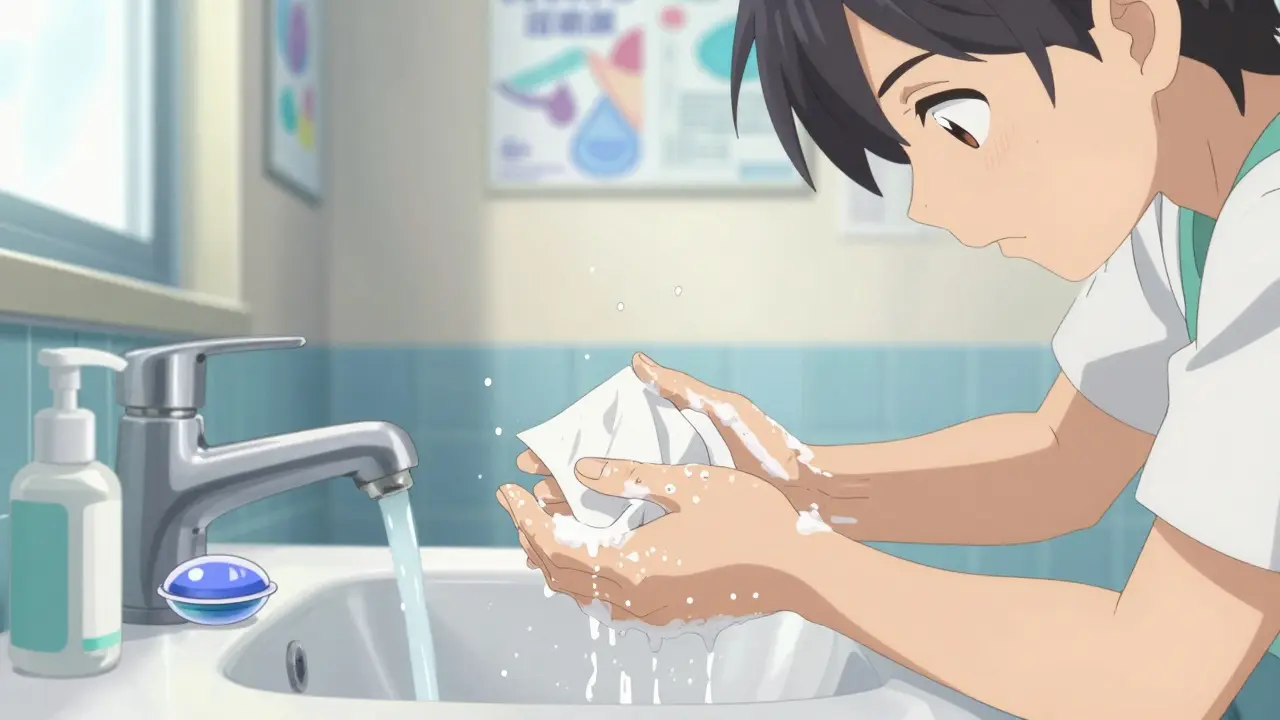
You’ve heard it before: wash your hands before touching your lenses. But most people don’t do it right. A study from the NIH found that only 53% to 77% of contact lens wearers wash their hands properly before handling lenses. That means more than 1 in 4 people are putting bacteria, oils, and dirt straight into their eyes. It’s not enough to rinse your hands under the tap. You need soap, water, and at least 20 to 30 seconds of scrubbing. That’s the same amount of time it takes to sing "Happy Birthday" twice. Focus on your fingertips, thumbs, and under your nails-those are the spots that touch your lenses. Dry your hands with a lint-free towel. Paper towels work better than cloth towels, which can shed fibers and harbor germs. And no, alcohol wipes won’t cut it. They don’t clean your hands well enough for lens handling, and they can leave residue that irritates your eyes. Even if you think your hands are clean, always wash them. Your eyes don’t have a second chance.Never Use Water-Not Even Tap Water
Tap water might seem harmless, but it’s one of the biggest dangers to contact lens wearers. The FDA has issued multiple warnings about water exposure. Why? Because water can carry Acanthamoeba, a microscopic organism that sticks to contact lenses and causes a rare but devastating infection called Acanthamoeba keratitis. This infection is hard to treat. It doesn’t respond to regular antibiotics. Treatment can cost up to $7,500 per case-and even then, you might lose vision permanently. Studies show that people who swim, shower, or rinse their lenses with tap water are 10 to 15 times more likely to get this infection. Never rinse your lenses or lens case with water. Never store your lenses in water. Never let your lenses get wet in the shower or pool. If your lenses do get wet, take them out, clean them thoroughly with fresh disinfecting solution, and don’t put them back in until they’re fully disinfected. If you’re unsure, toss them. Daily disposables are the safest option if you’re often near water.Your Lens Solution Is Not a One-Size-Fits-All Product
Not all contact lens solutions are the same. What works for one type of lens might damage another. That’s why your eye care professional recommends a specific brand. Don’t switch to a cheaper one because it’s on sale. Don’t use saline solution or rewetting drops to clean or disinfect your lenses-they don’t kill germs. They’re only for comfort, not safety. Hydrogen peroxide systems are popular because they’re powerful disinfectants, but they require strict rules. After disinfecting, you must wait 4 to 6 hours before inserting your lenses. Never rinse lenses with hydrogen peroxide directly-it can burn your eyes. Always use the neutralizing case that comes with the system. And never “top off” your solution. That means adding fresh solution to leftover solution in the case. That’s like mixing clean water with dirty water-it cuts disinfection power by 30% to 50%. Empty the case every night. Rinse it with fresh solution. Don’t refill it.Replace Your Lens Case Every Three Months-Better Yet, Every Month
Your lens case is a germ magnet. Even if you rinse it daily, biofilm builds up over time. That’s a slimy layer of bacteria that solutions can’t fully kill. The CDC and the American Optometric Association both say to replace your case every three months. But here’s the truth: if you want to reduce your risk of infection, replace it every month. After each use, empty the case. Rinse it with fresh solution-not water. Leave the caps off and store it upside down on a clean tissue or counter. This lets it air dry. Moist environments are where bacteria thrive. A dry case is a clean case. If you notice discoloration, cloudiness, or residue in your case, throw it out immediately. Don’t wait for the three-month mark. Your case isn’t a reusable container-it’s a single-use hygiene tool.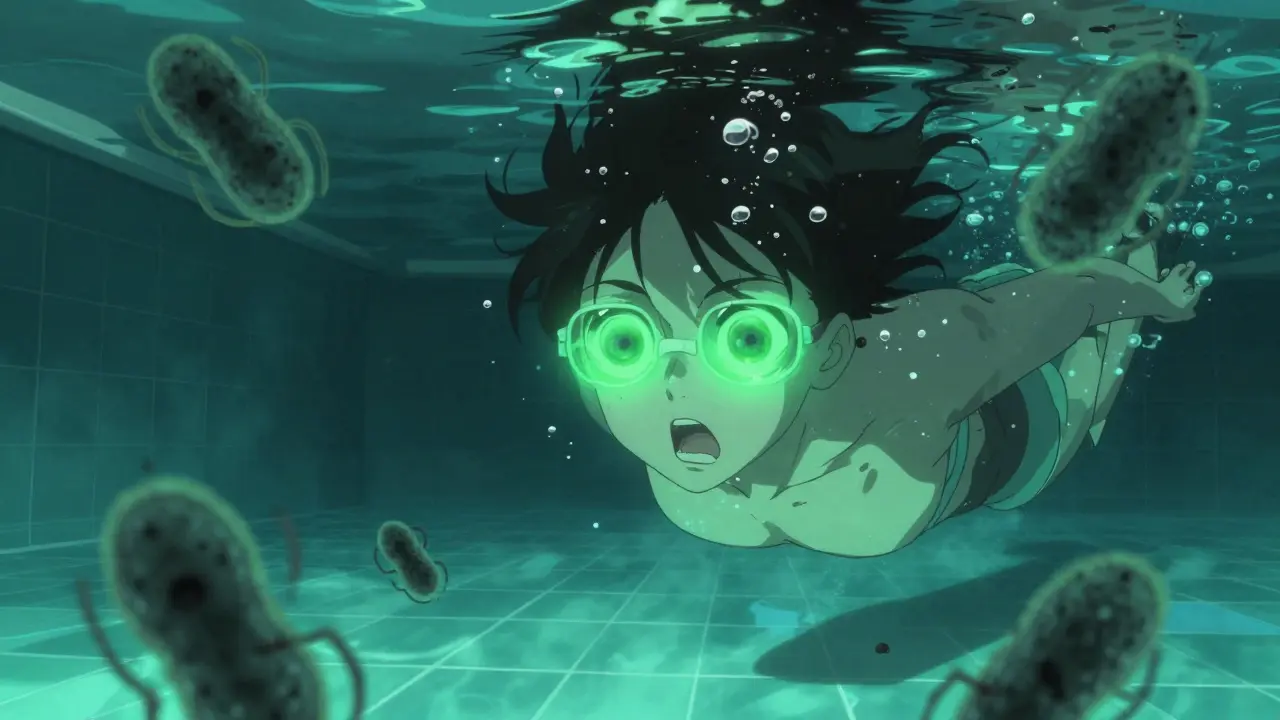
Wear Time Rules: No Sleeping, No Water, No Extensions
Most contact lenses are made for daily wear. That means you take them out before bed. Only 10% to 15% of contact lenses are approved for overnight wear-and even then, your doctor has to prescribe them specifically. Sleeping in lenses not designed for it increases your risk of infection by up to 10 times. You might think, “I slept in mine once and nothing happened.” That’s like saying, “I drove without a seatbelt once and didn’t crash.” One time doesn’t mean it’s safe. It just means you got lucky. Same goes for extending wear time. If your lenses are meant to be replaced every two weeks, don’t wear them for three. Overwearing causes protein buildup, reduces oxygen flow to your cornea, and leads to irritation, redness, and long-term damage. Daily disposable lenses are becoming the standard for a reason. They eliminate the need for cleaning, storage, and solution. You open a new pair every morning and toss them at night. No case. No solution. No risk of contamination. Today, 65% of U.S. contact lens wearers use daily disposables-up from 45% in 2018. If you’re still using biweekly or monthly lenses, consider switching.Who’s Most at Risk? (Spoiler: It’s Not Who You Think)
You might assume older adults are the ones skipping safety steps. But the data says otherwise. The FDA reports that 85% of contact lens complications happen in people aged 18 to 24. Why? Because young adults are more likely to sleep in lenses, swim with them, skip handwashing, or reuse solution to save money. Reddit threads from r/ContactLenses are full of stories from people who learned the hard way. One user wrote: “Woke up with a painful red eye after sleeping in dailies once-never doing that again.” Another said: “Since I started replacing my case every month and never topping off solution, I’ve had zero infections in two years.” The difference isn’t genetics or luck. It’s habits. The people who avoid problems are the ones who treat their lenses like medical devices-not accessories.What Happens If You Ignore All This?
Contact lens infections don’t always start with pain. Sometimes, it’s just blurry vision, redness, or a feeling like something’s stuck in your eye. By the time it’s diagnosed, it might already be a corneal ulcer-a hole in the clear front part of your eye. These ulcers can scar your vision permanently. Acanthamoeba keratitis doesn’t just hurt-it can cost you your sight. Treatment often involves daily medicated eye drops for months. In severe cases, patients need corneal transplants. The lifetime cost of lost vision and reduced productivity can exceed $300,000. And here’s the worst part: nearly all of these cases are preventable. You don’t need expensive gadgets or complicated routines. You just need to follow the basics-every single day.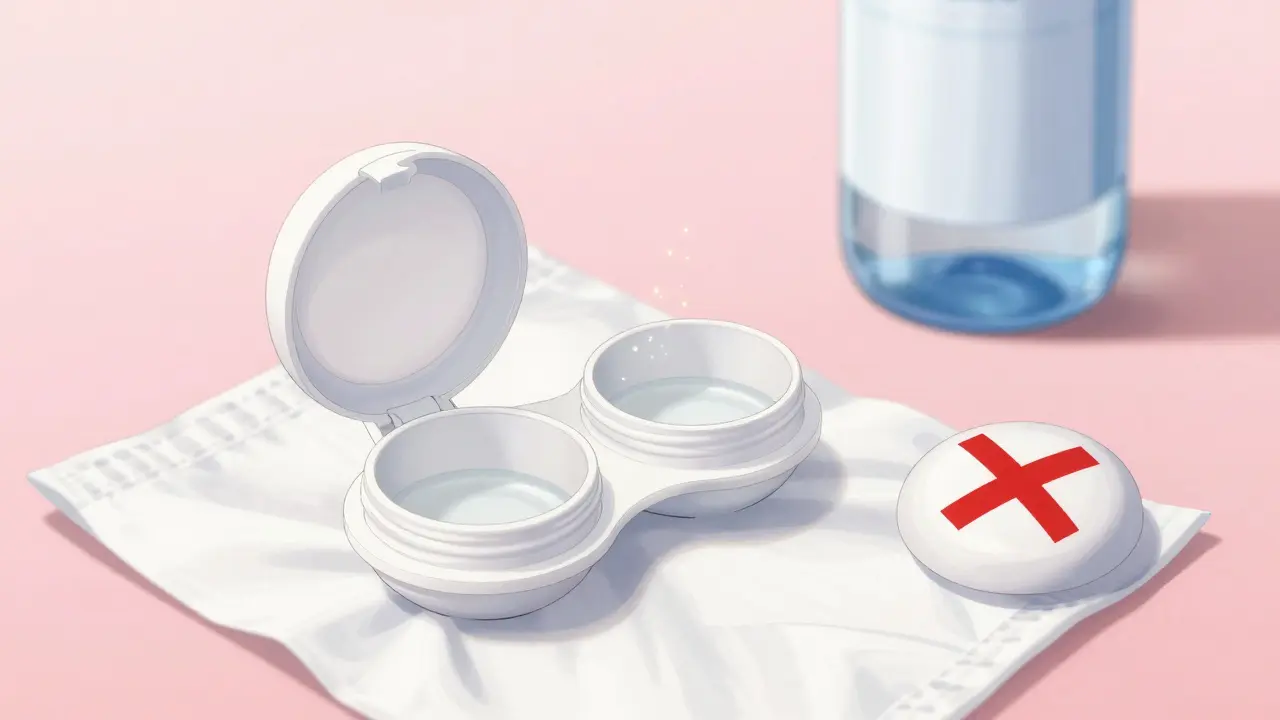
Quick Checklist: Your Daily Contact Lens Safety Routine
- Wash hands with soap and water for 20-30 seconds before handling lenses
- Use only the disinfecting solution recommended by your eye doctor
- Never use tap water, saliva, or rewetting drops to clean lenses
- Always rub lenses gently with solution before storing
- Replace lens case every month (not every three months)
- Empty and air-dry case upside down after each use
- Never sleep in lenses unless prescribed for extended wear
- Remove lenses before swimming, showering, or using a hot tub
- Follow replacement schedule-no extensions
- When in doubt, throw them out
Frequently Asked Questions
Can I reuse daily disposable contact lenses?
No. Daily disposables are designed to be worn once and thrown away. Reusing them-even for one extra day-increases your risk of infection, protein buildup, and corneal damage. They’re not meant to be cleaned or stored. If you’re trying to save money, consider switching to biweekly lenses with proper care, but never reuse dailies.
Is it safe to swim with contact lenses?
Not without protection. Water in pools, lakes, and showers carries bacteria and parasites that can stick to your lenses. If you must swim with contacts, wear tight-fitting goggles. After swimming, remove your lenses immediately, clean them with fresh solution, and disinfect them. If you wear daily disposables, it’s safer to toss them after swimming and use a fresh pair.
Why do my eyes feel dry even when I use rewetting drops?
Rewetting drops only add moisture-they don’t fix the root problem. Dryness often comes from overwearing lenses, poor lens fit, or not blinking enough (especially when staring at screens). If you’re constantly needing drops, talk to your eye doctor. You might need a different lens material, a change in replacement schedule, or treatment for dry eye syndrome.
Can I use hydrogen peroxide solution without a neutralizing case?
Absolutely not. Hydrogen peroxide solutions are strong disinfectants, but they’re also caustic. Without the neutralizing case, the solution will burn your eyes and cause serious damage. Always use the case that comes with the system and wait the full 4-6 hours before inserting your lenses.
How do I know if my contact lens is damaged?
Hold the lens up to the light. If you see a tear, crack, or wrinkle, don’t wear it. Even a tiny flaw can scratch your cornea. If the lens feels rough or moves oddly on your eye, remove it. Damaged lenses increase infection risk and cause discomfort. Always inspect your lenses before inserting them.
Comments
Siobhan K.
Let me just say this: if you’re still topping off solution, you’re not saving money-you’re gambling with your cornea. I’ve seen too many people do this because they’re ‘too busy’ or ‘it’s only a little bit left.’ Spoiler: it’s not. That leftover solution is a bacterial buffet. Replace the case monthly. Use fresh solution every time. It’s not expensive. Your eyes are.
Christina Weber
Actually, the CDC recommends replacing lens cases every three months, not monthly. Your source is outdated or misinterpreted. The American Optometric Association does not endorse monthly replacement as a universal standard-it’s a risk-reduction strategy for high-risk individuals. Overstating guidelines like this undermines credibility. Precision matters when discussing medical hygiene.
Brian Furnell
Christina, you’re technically correct-the CDC does say three months, but here’s the nuance: biofilm formation begins within 72 hours and peaks by day 14. A 2021 study in the Journal of Optometry showed that monthly replacement reduced microbial load by 89% compared to quarterly. The CDC’s guidance is a baseline, not a ceiling. If you’re immunocompromised, swim often, or wear lenses for 14+ hours daily, monthly is the *actual* standard. You’re conflating minimum recommendations with optimal practice. Also, ‘overstating’ is just being proactive. Vision doesn’t come with undo buttons.
John Hay
My cousin lost 60% of her vision because she reused her solution for weeks. She thought she was being frugal. Now she’s got a scar on her cornea and needs special lenses. Don’t be her. Wash your hands. Don’t sleep in them. Throw the case out. It’s not hard. Stop making it complicated.
Teya Derksen Friesen
While the article presents compelling epidemiological data, one must acknowledge the socioeconomic constraints faced by many contact lens wearers. The financial burden of daily disposables, coupled with the cost of frequent case replacement and premium solutions, renders these recommendations inaccessible to a significant portion of the population. A more equitable public health approach would include subsidized hygiene kits and community optometry outreach. Prevention is not merely behavioral-it is structural.
Sarah Williams
Switched to dailies last year and my eyes haven’t been this happy in a decade. No more case cleaning. No more solution smells. No more panic when I drop a lens. I used to think it was expensive-until I realized I was paying for infections, doctor visits, and stress. Worth every penny.
Southern NH Pagan Pride
Have you ever wondered why the FDA pushes daily disposables so hard? It’s not about safety-it’s about profit. The lens companies make more money off you throwing them away every day. And don’t get me started on hydrogen peroxide systems-they’re designed to make you buy new cases every month. The government and big pharma are in cahoots. Water isn’t the enemy. The system is. I rinse my lenses in filtered spring water and I’ve never had an issue. Who benefits if you’re scared to use tap water?
Cara C
For everyone arguing about case replacement timelines: maybe the real issue isn’t the frequency-it’s the habit. If you’re consistent with cleaning, drying, and avoiding water, even a three-month case can be fine. But if you’re the type who forgets to rinse it, then monthly is your safety net. Pick your level of vigilance. Just don’t ignore the basics. Your eyes will thank you.