
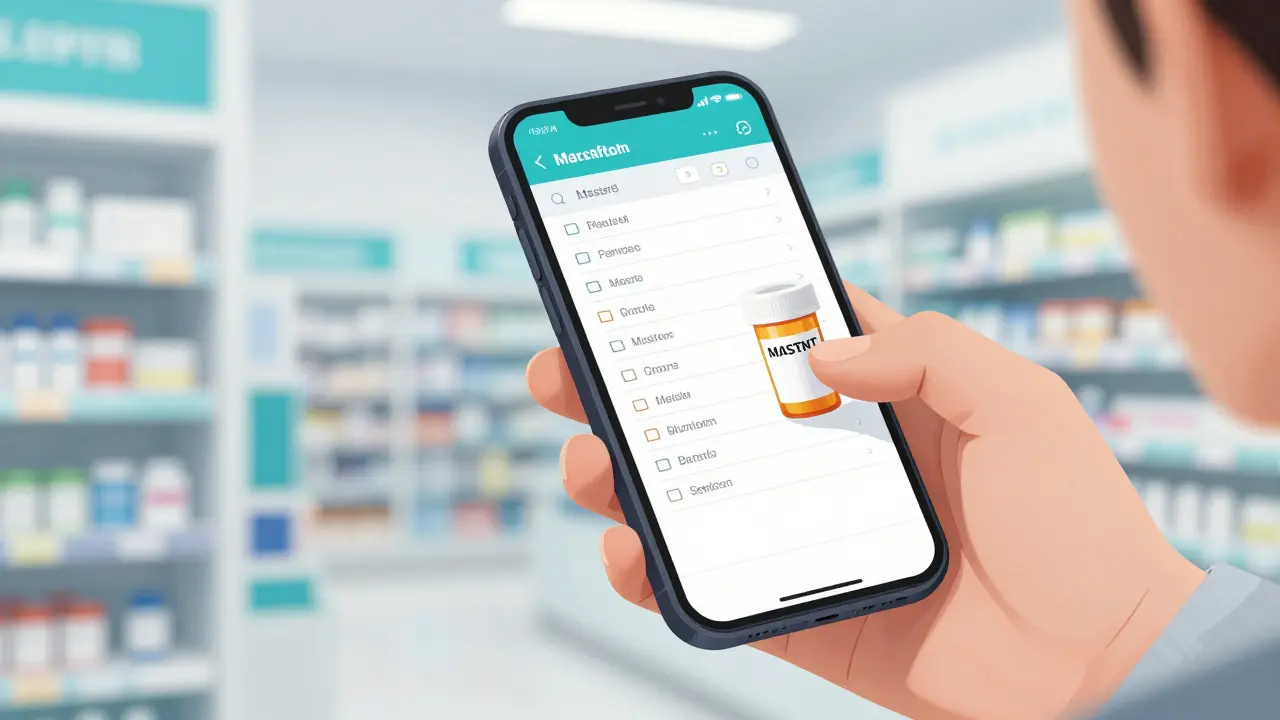
Imagine walking away from the pharmacy counter with a bottle of pills, only to realize two days later that the dosage is wrong or the medication isn't yours. It happens more often than we think. While pharmacists are trained professionals, dispensing errors is a critical failure in the medication delivery process where the wrong drug, dose, or patient instruction is provided. Most of us trust the system blindly, but the final line of defense against a medical mistake is actually you.
You don't need a medical degree to protect yourself, but you do need a system. Most professional safety protocols are locked away in pharmacy manuals, but you can adapt those same principles into a personal safety checklist. By taking a few minutes at the counter to verify your medication, you can stop a potentially dangerous error before it ever leaves the store.
Why You Need Your Own Verification System
Pharmacy environments are high-stress and fast-paced. Pharmacists deal with hundreds of prescriptions daily, and while they use "double-check" systems, human error is inevitable. Many people feel awkward asking questions because they don't want to slow down the line, but your health is more important than a two-minute delay. A personal checklist removes the guesswork and ensures you don't forget a critical step when you're in a rush.
When you implement a structured approach, you are essentially performing a simplified version of Medication Reconciliation, which is the process of creating the most accurate list possible of all medications used for medication therapy. By comparing what you were prescribed with what you are actually handed, you close the gap where errors usually hide.
The Pre-Visit Preparation
Safety starts before you even step into the pharmacy. If you are managing multiple prescriptions, the risk of a mix-up increases. The best way to prevent this is to have your own "source of truth" ready to go. This prevents you from relying on memory, which can be unreliable when you're tired or stressed.
- Maintain a Master List: Keep a digital or paper list of every medication you take, including the exact dose (e.g., 20mg, not just "one pill") and the frequency.
- Keep Old Packaging: If you are refilling a prescription, bring the empty bottle or a photo of the label. This allows you to compare the new label with the old one instantly.
- Note Recent Changes: If your doctor changed your dose or switched you to a generic version of a brand-name drug, write it down. This is a common point where dispensing errors occur.

The Pharmacy Counter Checklist
Once you are at the counter, don't just take the bag and leave. Use this specific sequence to verify your medication. Treat this like a pilot's pre-flight checklist-don't skip a step.
| Check Step | What to Look For | Red Flag |
|---|---|---|
| Identity Check | Full name and date of birth on the label. | Misspelled name or wrong DOB. |
| Drug Name | The name matches your prescription or previous bottle. | Different name or unfamiliar generic. |
| Dosage & Strength | The mg/mcg matches exactly what the doctor ordered. | Higher or lower dose than usual. |
| Physical Appearance | The pill color, shape, and markings match previous fills. | Change in pill color or size. |
| Quantity | The number of pills in the bottle is correct. | Bottle feels too light or too full. |
If any of these items don't match, ask the pharmacist to explain why. It might be a simple change your doctor made that the pharmacist is aware of, but it's better to be sure. For example, if your pill was white and is now light blue, it could be a different manufacturer, but it could also be the wrong medication entirely.
Mastering the Handoff: Questions to Ask
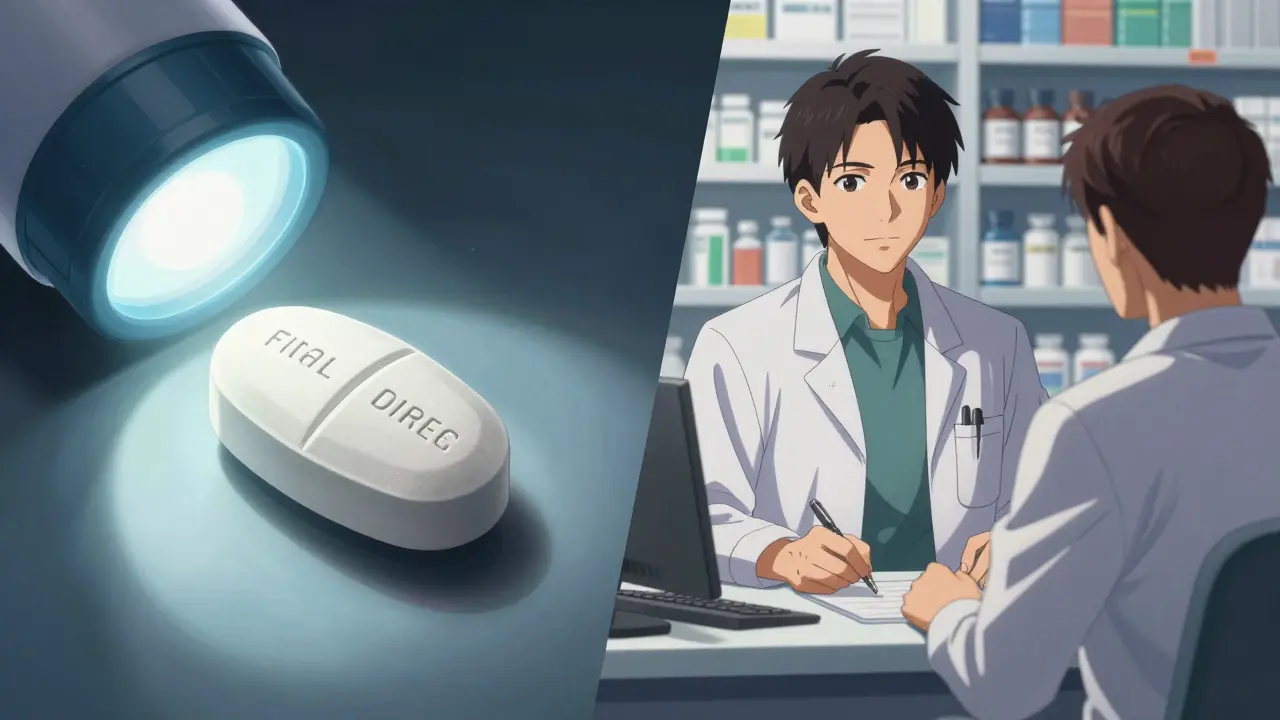
The final step of any safety checklist is the counseling session. A Pharmacist is a healthcare professional licensed to prepare and dispense medicinal drugs and is your best resource for catching errors. Instead of a generic "How do I take this?", use specific questions that force a review of the medication.
- "Can you confirm this is the correct dose for my current condition?" This prompts the pharmacist to look at the prescription again.
- "Are there any new interactions I should know about with my other meds?" This triggers a therapeutic review for safety and efficacy.
- "Does this medication have any specific storage requirements?" Some drugs need refrigeration; if they've been sitting on a warm shelf, they may be ineffective.
- "What should I do if I miss a dose?" This ensures you understand the timing, which is critical for high-risk medications.
Dealing with High-Risk Medications
Not all medications carry the same risk. If you are taking "high-alert" medications-such as blood thinners, insulin, or strong painkillers-your checklist needs to be even more rigorous. For these drugs, a small error in dosage can lead to an immediate emergency room visit.
For high-risk meds, always perform a Therapeutic Review, which is an assessment of the medication's appropriateness, effectiveness, and safety for the individual patient. You can do this by asking the pharmacist to walk you through why this specific dose was chosen and what the "danger signs" are for an overdose or under-dose. If you notice the pharmacy is unusually understaffed or chaotic, be extra vigilant; high-stress environments are where the most frequent errors occur.
What to Do When You Spot an Error
If you find a mistake while still at the pharmacy, stay calm but firm. Most pharmacists will be grateful you caught the error before the medication was ingested. Ask them to document the mistake in their internal error record. This isn't about getting someone in trouble; it's about helping the pharmacy improve its system to prevent the same mistake from happening to someone else.
If you find an error after you've gone home, do not take the medication. Call the pharmacy immediately and keep the medication and packaging as evidence. Report the incident to your doctor so they can monitor for any adverse effects if you've already taken a dose. In some regions, you can also report the error to national health safety boards to help track systemic issues in pharmacy operations.
Is it rude to double-check my medication at the pharmacy?
Not at all. Pharmacists are trained to prioritize safety over speed. In fact, many prefer patients who are engaged in their own care because it adds an extra layer of safety to the dispensing process. Taking a minute to verify your pills is a responsible health practice, not an inconvenience.
What if the pill looks different than my last refill?
This happens often when a pharmacy switches generic manufacturers. However, you should always ask the pharmacist to verify the pill's imprint code. Every legal medication has a unique code stamped on it that can be cross-referenced with a database to ensure it is the correct drug and strength.
How often should I update my medication master list?
You should update your list every single time a doctor changes a dose, adds a new medication, or tells you to stop taking something. It's also a good idea to review the list every six months with your primary healthcare provider to ensure everything is still necessary.
Can a pharmacy error be dangerous even if the drug is correct?
Yes. Errors in instructions (e.g., taking a pill twice a day instead of once) or mistakes in dosage (e.g., 50mg instead of 5mg) can lead to serious health complications, toxicity, or treatment failure, even if the medication itself is the correct one.
What should I do if I'm using multiple pharmacies?
Using multiple pharmacies increases the risk of drug-drug interactions because no single pharmacist has your full history. To fix this, keep your own master list and provide a copy to every pharmacist you visit. Ask them specifically to check for interactions between the new prescription and the ones from your other pharmacy.