
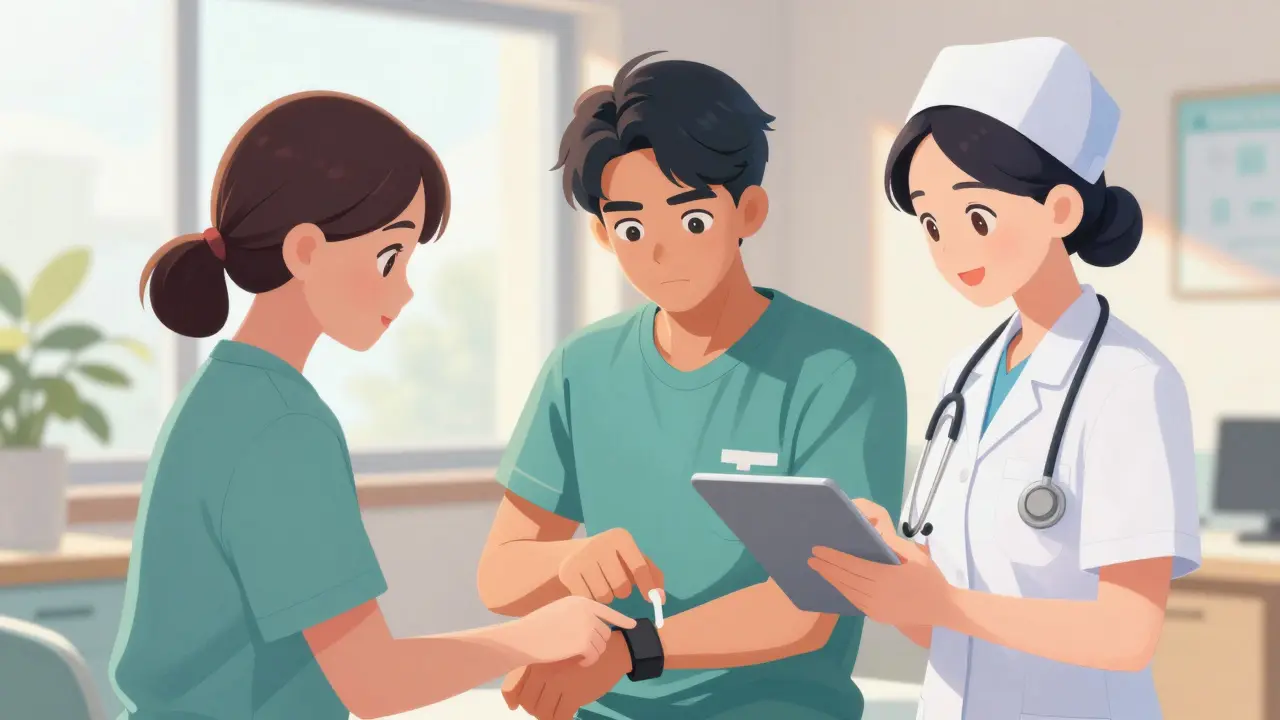
Mistakes in medicine happen more often than we'd like to admit. In the U.S. alone, adverse drug events cause over 1.5 million emergency room visits every year. While doctors and nurses have their own checklists, the most effective safety net in the room is actually you. When you know the right words to use, you aren't just a passenger in your healthcare-you become an active part of the safety team. Research shows that patients who can speak the language of medication safety can cut their risk of preventable harm by up to 50%.
Quick Guide to Medication Safety
- The Eight Rights: A checklist to ensure the right drug, dose, patient, route, time, reason, documentation, and response.
- ADE (Adverse Drug Event): Any instance where a medication causes harm, regardless of whether it was a mistake.
- High-Alert Medications: Drugs (like insulin or blood thinners) that carry a higher risk of severe harm if used incorrectly.
- Close Call: An error that was caught just in time to prevent harm.
- Sentinel Event: A serious, unexpected occurrence involving death or severe injury.
The Framework of Safety: Understanding the Eight Rights
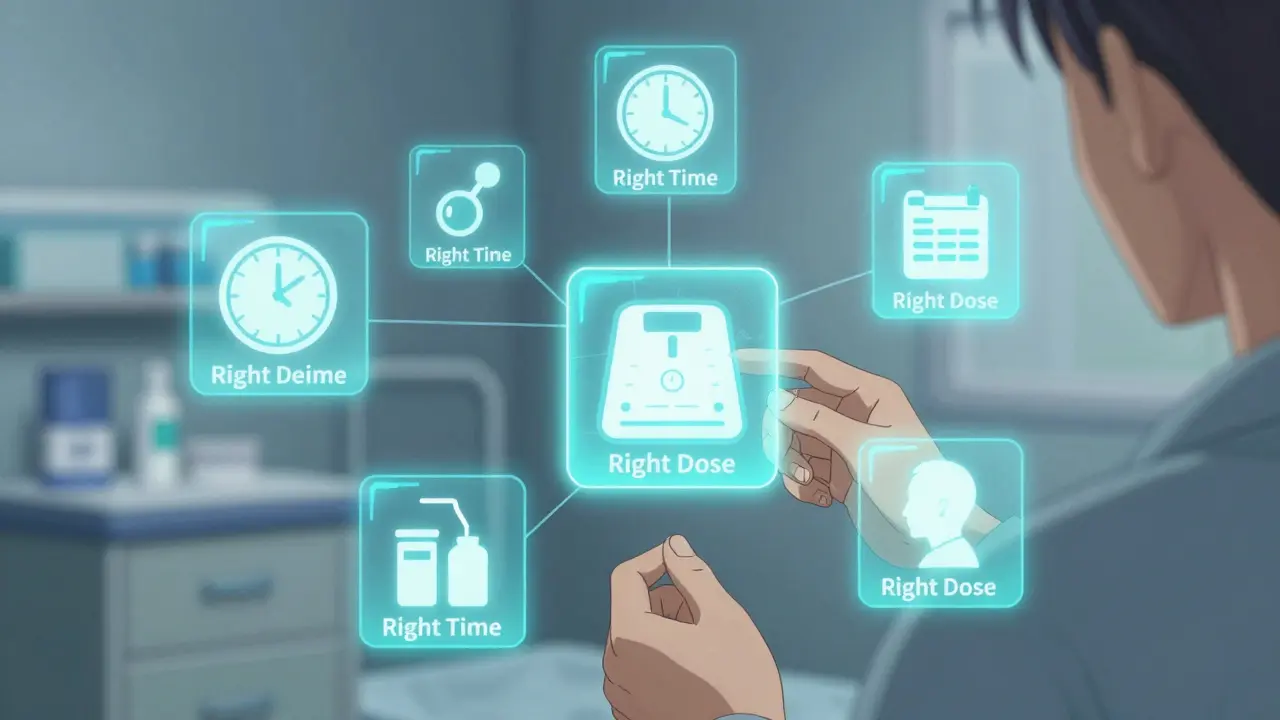
For decades, medical professionals used a simple "Five Rights" list. But as medicine got more complex, that list grew. Today, thinking about your medications through the Eight Rights is the gold standard for ensuring every single pill or injection is safe and necessary.
First, there is the Right Patient. It sounds obvious, but in a busy hospital, mix-ups happen. Always ensure the staff uses at least two identifiers-like your full name and date of birth-before giving you anything. Next is the Right Medication. About 23% of errors involve drugs that sound similar. Always ask for both the brand and generic names to be sure you're getting the correct one.
Then we have the Right Dose. This is especially critical for kids, where 15% of errors are dosing mistakes. If you're using a liquid medicine, don't guess; use a precise measuring tool. The Right Route refers to how the drug enters your body. Whether it's a cream, a pill, or an IV, confirming the route prevents dangerous mistakes, such as a medication meant for the skin being accidentally injected.
Timing is everything with the Right Time. Taking a blood pressure pill at 8 AM versus 8 PM can change how it works. Using an app like Medisafe or a simple paper log can improve your adherence by 42%. Then comes the Right Reason. Why are you taking this? If you can't explain the purpose of the drug, you're at a higher risk of receiving inappropriate therapy. In fact, patients who can articulate the "right reason" reduce this risk by 37%.
Finally, we have the Right Documentation (making sure the chart is updated) and the Right Response. This means monitoring how you feel. Are you getting better? Or are you experiencing a new rash or dizziness? Tracking your response can reduce severe adverse events by 35%.
| The "Right" | What to Ask/Verify | Why It Matters |
|---|---|---|
| Patient | "Can you confirm my name and DOB?" | Prevents giving meds to the wrong person. |
| Medication | "What is the generic and brand name?" | Avoids mix-ups with similar-sounding drugs. |
| Dose | "How many milligrams is this?" | Prevents under- or over-dosing. |
| Route | "Is this a pill or an injection?" | Ensures the drug is absorbed correctly. |
| Time | "Exactly when should I take this?" | Maintains steady levels of medicine in the blood. |
| Reason | "What specific symptom is this treating?" | Ensures the drug is actually needed. |
| Documentation | "Is this recorded in my chart?" | Prevents double-dosing by other providers. |
| Response | "What side effects should I look for?" | Catches dangerous reactions early. |
Red Flags: Adverse Events and High-Alert Meds
Not every bad reaction is a "mistake," but they are all important. A Adverse Drug Event (or ADE) is any harm resulting from the use of a medication. This includes everything from a mild allergic reaction to a severe overdose. The CDC notes that ADEs are often preventable, yet they remain a massive public health threat.
Some medications are riskier than others. The Institute for Safe Medication Practices (or ISMP) identifies High-Alert Medications as those that can cause significant patient harm if an error occurs. Think of things like insulin, opioids, or blood thinners. These drugs account for a staggering 67% of fatal medication errors. When you're dealing with a high-alert drug, you should be twice as strict with your "Eight Rights" checks.
It's also helpful to know what a "Close Call" is. This is when an error almost happened-maybe a nurse noticed the wrong dose before giving it to you. While no one was hurt, reporting these close calls is vital because it helps hospitals fix the system before a real injury occurs. On the other end of the spectrum is the Sentinel Event, a term used by the Joint Commission to describe a serious event, like a death, that signals a systemic failure in safety.
Turning Knowledge into Action
Knowing these terms is great, but using them in the clinic is where the real magic happens. Most people feel intimidated asking a doctor questions, but healthcare providers actually prefer it when patients are informed. It makes their job easier and the patient safer.
Start by managing your own records. Don't rely on memory. Keep a running list of your medications, including supplements and vitamins. When a doctor suggests a new drug, use the "Right Reason" check: "I see you're prescribing this for my blood pressure; how does this differ from the last medication I tried?"
If you are in a hospital setting, be your own advocate. If a nurse comes in to give you a pill, it is perfectly okay to ask, "Could you just double-check that this is the right dose for me?" Most staff will appreciate your diligence. If something feels off-like a pill looks different than it did yesterday-speak up immediately. That's the essence of catching a close call.
The Future of Patient-Led Safety
The way we handle medication is shifting toward more transparency. We're seeing a move where digital tools do the heavy lifting. Many patient portals and telehealth platforms are now building in "Right Reason" verification fields. This means before a prescription is even sent to the pharmacy, the system prompts the provider to document exactly why the drug is necessary.
Education is also becoming more accessible. The ISMP and ECRI have expanded their resources into multiple languages, recognizing that safety shouldn't depend on which language you speak. There is even a national push by the FDA and CDC to ensure that 90% of patients recognize at least five key safety terms by 2030. The goal is a world where the patient is the final, most reliable check in the medication loop.
What is the difference between a side effect and an adverse drug event?
A side effect is usually a known, expected reaction to a drug (like drowsiness from an antihistamine). An adverse drug event (ADE) is a broader term for any harm caused by a medication, which could include an unexpected allergic reaction, a medication error, or an overdose. While side effects are expected, ADEs are often preventable safety issues.
Why should I care about the "Right Route" if I'm just taking a pill?
Even if you usually take pills, some medications come in multiple forms (liquid, topical, or injectable). Using the wrong route can lead to the drug not being absorbed or, in some cases, causing severe toxicity. Verifying the route ensures the medicine enters your system exactly as the doctor intended.
What are examples of high-alert medications?
High-alert medications include drugs that can cause severe harm if the dose or timing is slightly off. Common examples include insulin, anticoagulants (blood thinners), opioids, and concentrated electrolytes. These require extra verification steps because errors with these specific drugs are more likely to be fatal.
How can I ensure the "Right Patient" check is actually happening?
The best way is to politely ask the healthcare provider to verify your identity using two identifiers. This usually means your full name and your date of birth. If they just call you by your first name and don't check your wristband or chart, kindly remind them that you'd like to verify your identity for safety.
What should I do if I think I've had a "close call"?
You should report it to the medical facility's patient safety officer or through their formal reporting system. Even if no harm occurred, reporting a close call helps the hospital identify "holes" in their process, which prevents the same mistake from happening to someone else in the future.
Next Steps for Staying Safe
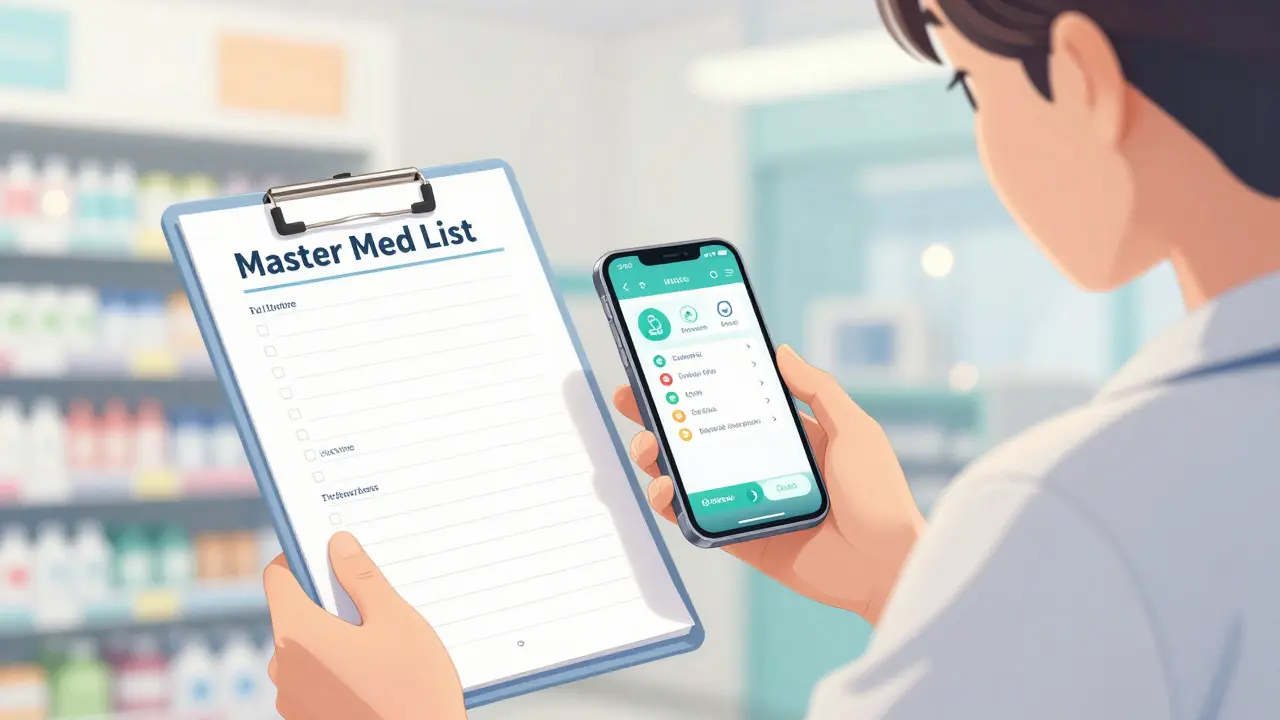
If you're managing multiple medications, start by creating a "Master Med List." Include the brand name, generic name, dose, time of day, and the specific reason you're taking it. Take this list to every single appointment.
For those caring for children or elderly parents, focus heavily on the "Right Dose" and "Right Route." Use only the measuring devices provided with the medication-never a household spoon. If you're unsure about a dose, call your pharmacist immediately. Pharmacists are an underutilized safety resource and can often catch errors that may have slipped through during a quick clinic visit.