
Pregnancy Medication Risk Window Tool
Risk Profile
Enter pregnancy week and medication type to see the analysis.
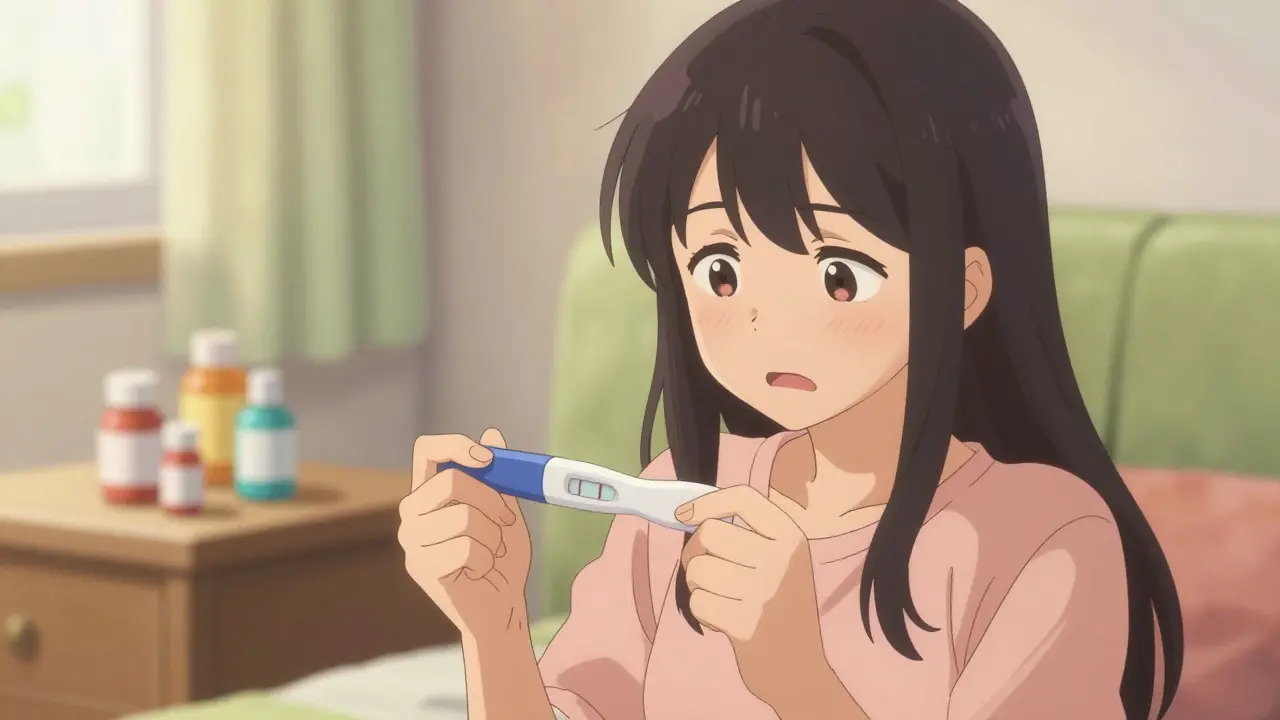
Finding out you're pregnant is an emotional whirlwind, but for many, it's quickly followed by a surge of panic: "I took that pill last week, is my baby okay?" You aren't alone. With about 40-50% of pregnancies being unplanned, thousands of women face this exact anxiety every day. The fear is rooted in the concept of teratogenic medications-drugs that can cross the placenta and interfere with how a baby grows, potentially leading to structural birth defects or developmental issues.
While the idea of "teratogens" sounds terrifying, the reality is more nuanced. Most medications don't actually harm the fetus. In fact, about 60-70% of drugs have little to no impact on development. The goal isn't necessarily to avoid all medicine-which can be dangerous if a mother's health declines-but to make smart, evidence-based choices. Here is a practical look at how medications interact with pregnancy and how to manage the risks.
What Exactly are Teratogens?
Teratogens is any agent-including drugs, chemicals, or viruses-that can cause malformations or functional disruptions in a developing embryo or fetus. The modern study of these substances took off after the thalidomide tragedy in the late 1950s. This sedative was marketed for morning sickness but caused severe limb deformities in roughly 10,000 infants globally. This disaster changed medical history, leading to the strict regulatory checks we have today.
In the current landscape, it's estimated that only 2-3% of all birth defects are actually caused by medication exposure. However, when a drug is teratogenic, the effect depends heavily on *when* it was taken. The risk isn't the same on day 20 as it is on day 200.
Timing Matters: The Critical Windows of Development
The impact of a drug is dictated by the stage of fetal growth. Think of it as a construction site; if you mess up the foundation, the whole building is affected. If you change the paint color at the end, the structure is still sound.
- First Trimester (Weeks 1-12): This is the most vulnerable period. Between days 15 and 60 post-conception, organ systems are forming. Exposure here often leads to major structural defects (like heart or limb issues).
- Second Trimester (Weeks 13-26): The focus shifts from building organs to refining them. Drugs taken now are more likely to cause functional defects or minor structural abnormalities.
- Third Trimester (Weeks 27-Birth): While major organs are mostly formed, medications can still affect organ function, cause neurological development changes, or lead to withdrawal symptoms after birth.
Common Medications and Their Known Risks
Not all drugs are created equal. Some have very clear, documented dangers, while others are debated. Understanding these specifics helps in having a real conversation with your doctor.
| Medication/Class | Primary Risk/Effect | Critical Window |
|---|---|---|
| Warfarin | Fetal warfarin syndrome (nasal hypoplasia, bone stippling, intellectual disability) | First Trimester |
| Carbamazepine | Neural tube defects (1% risk) and newborn vitamin K deficiency | Early Pregnancy |
| Methotrexate | Increased risk of neural tube defects (10-20%) | First Trimester |
| THC (Cannabis) | Low birth weight (15-20% increase), preterm birth, and cognitive issues | Throughout Pregnancy |
| Factor Xa Inhibitors | Placental crossing with no antidote; insufficient human safety data | Throughout Pregnancy |
It's also worth noting that medications don't always attack the baby directly. Some cause an "indirect impact." For example, a drug that drastically lowers maternal blood pressure might reduce the amount of blood and oxygen reaching the placenta, which in turn affects the baby's growth even if the drug itself isn't toxic to fetal cells.

The Acetaminophen Controversy: CDC vs. ACOG
One of the most stressful topics for parents today is Acetaminophen (Tylenol/Paracetamol). You'll often find conflicting advice online, and for a good reason: the experts are debating it.
The CDC has pointed out that some studies associate chronic use of acetaminophen with neurological conditions like ADHD and autism. They suggest caution, though they admit a direct "cause-and-effect" link hasn't been proven.
On the other hand, the American College of Obstetricians and Gynecologists (ACOG) issued a strong statement in September 2025. They argue that acetaminophen is safe and essential. Why? Because leaving a high fever untreated is far more dangerous. Untreated maternal fever can increase the risk of neural tube defects by 20-30%. In their view, the proven danger of a fever outweighs the theoretical risk of the medication.
How to Manage Your Medications Safely
If you are planning a pregnancy or just found out you're expecting, don't just stop taking your meds cold turkey. For conditions like epilepsy, severe depression, or hypertension, the shock of stopping a medication can be more dangerous to the fetus than the drug itself.
Instead, follow this structured approach to safety:
- Conduct a Full Review: List every prescription, over-the-counter drug, and herbal supplement you use.
- Consult the Right Experts: Your OB-GYN is great, but pharmacists are often the true experts in pharmacology. Ask them to check current safety data.
- Use Reliable Databases: Move away from random forums. Look for resources like MotherToBaby or the FDA's updated labeling.
- The PLLR Shift: Be aware that the FDA replaced the old "A, B, C, D, X" risk categories in 2015. They now use the Pregnancy and Lactation Labeling Rule (PLLR), which provides detailed narrative descriptions of risks rather than a simple letter grade. This gives you more actual data and less guesswork.

The Future of Pregnancy Medication Safety
We are moving toward a world of "personalized risk." For a long time, we relied on observational studies because it's unethical to do randomized controlled trials on pregnant women. However, new initiatives are changing the game.
The FDA's Sentinel Initiative aims to track 10 million patient records annually by 2026 to gather real-world evidence. Even more exciting is the rise of pharmacogenomics. Experts predict we will soon be able to analyze a mother's genetic profile to predict exactly how a drug will be metabolized and whether it poses a specific risk to her baby, potentially improving risk prediction by 30-40% in the coming years.
What should I do if I took a medication before I knew I was pregnant?
First, don't panic. Most medications do not cause birth defects. Make a list of exactly what you took, the dosage, and the dates. Schedule an appointment with your healthcare provider and be honest about the exposure. They can use tools like MotherToBaby to determine if the drug is a known teratogen and whether the timing coincides with a critical developmental window.
Are all herbal supplements safe since they are "natural"?
Absolutely not. "Natural" does not mean "safe." Many herbal supplements are not regulated by the FDA and can contain compounds that act as teratogens or interfere with necessary pregnancy hormones. Always clear any supplement, including vitamins and teas, with your doctor.
Why did the FDA get rid of the A, B, C, D, X categories?
The old letter system was too simple. It often left doctors and patients guessing because it didn't explain *why* a drug was category C or what the actual data showed. The new Pregnancy and Lactation Labeling Rule (PLLR) provides narrative summaries, clinical considerations, and specific data sources, allowing for a more individualized risk-benefit analysis.
Can medications affect the baby in the third trimester?
Yes, but differently. While the risk of major structural birth defects is very low in the third trimester, medications can still impact organ function, cause neonatal withdrawal symptoms (like in the case of certain antidepressants or opioids), or affect neurological development.
Is it always safer to stop taking a medication during pregnancy?
No. In some cases, uncontrolled maternal illness is more dangerous than the drug. For example, uncontrolled epilepsy or severe hypertension can lead to fetal distress, pregnancy loss, or maternal death. A doctor will perform a risk-benefit analysis to decide if the drug's risk is lower than the risk of the untreated condition.
Next Steps for Expectant Parents
If you're currently pregnant and worried, your best move is a "Medication Audit." Sit down with your pharmacist and your OB-GYN. Ask specifically: "Is there a safer alternative to this drug?" and "What is the specific risk if I continue this medication?" If you've already had an exposure, remember that the majority of pregnancies result in healthy babies, even after accidental medication use. Focus on the factors you can control: prenatal vitamins, healthy nutrition, and honest communication with your medical team.
Comments
Shaylia Helland
it's honestly just so overwhelming when you first find out and you start Googling everything and your head just spins because every site says something different and you just want to feel like everything is going to be okay but the anxiety is just a beast sometimes and you really just need to breathe and remember that most of the time things just work out fine despite the scares we all go through
mimi clouet
Actually, the shift to the PLLR was a huge win for transparency! 🌟 It's way better than those old letters because now we get the actual clinical data. Most people don't realize how much the old 'Category C' was just a catch-all for 'we don't have enough data' which just caused more stress! 📚✨💖