
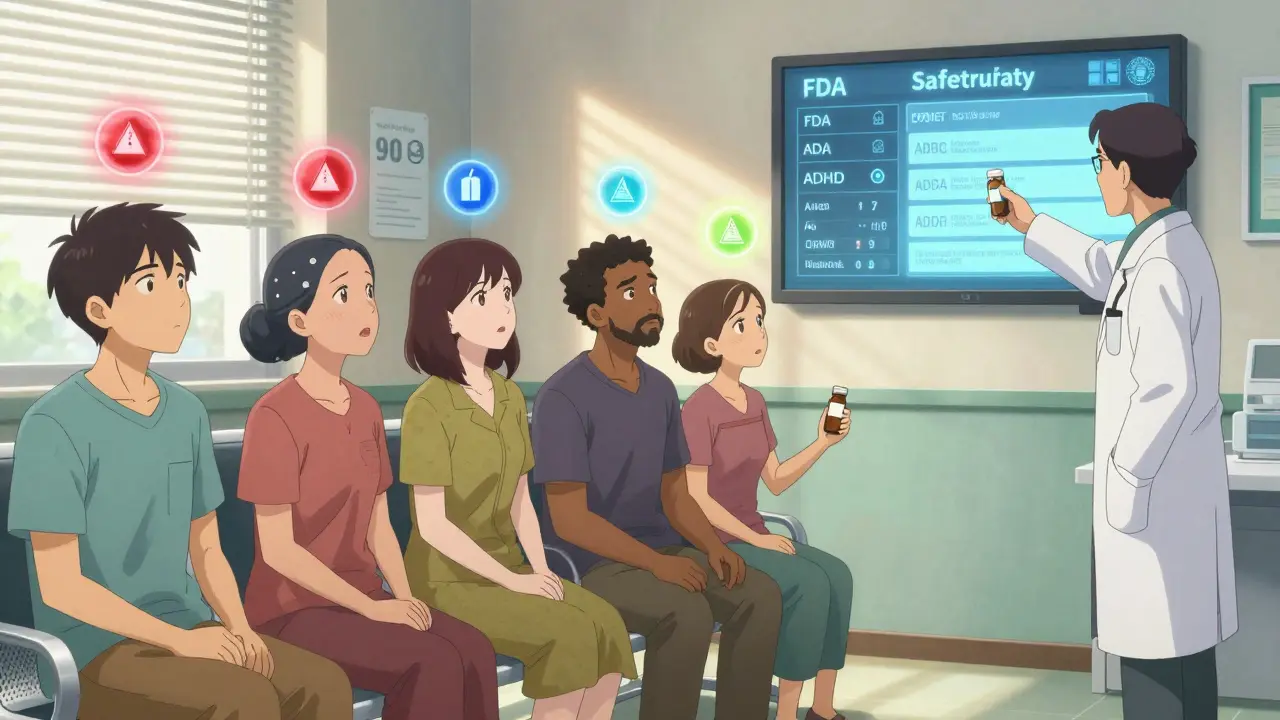
When you take a prescription drug, you expect it to help - not harm. But what happens when a medicine you’ve been using for months or years suddenly comes with a new warning? In 2025, the U.S. Food and Drug Administration (FDA) issued over 60 Drug Safety Communications (DSCs), each one signaling a hidden risk that wasn’t clear when the drug first hit the market. These aren’t just bureaucratic notices. They’re urgent updates that can change how doctors prescribe, how patients manage their health, and sometimes, whether a drug stays on the shelf at all.
Why Drug Safety Alerts Keep Coming
Drugs get approved based on clinical trials, but those trials rarely involve more than a few thousand people for a few months. Real-world use? Millions of people, over years, with different health conditions, other medications, and lifestyles. That’s where problems show up. The FDA doesn’t wait for disaster. It uses real-time data from hospital records, patient reports, and post-market studies to catch risks that slipped through the approval process. In 2024 alone, the number of safety communications jumped 44.7% compared to 2020. That’s not a sign of more dangerous drugs - it’s a sign of better monitoring. Take opioids. For years, doctors were told they were safe for long-term pain. But new studies, funded by drugmakers under FDA order, revealed something shocking: 1 in 12 patients on opioids for more than 90 days develop an opioid use disorder. That’s not a rare side effect. That’s a predictable outcome. And now, every opioid label in the U.S. must include that exact number.Major Alerts from 2025
Here are the most impactful drug safety updates from the first half of 2025:- Opioids (July 31, 2025): All extended-release and long-acting opioid painkillers now carry updated warnings. The label must state the risk of addiction, overdose, and even a rare brain condition called toxic leukoencephalopathy. It also now warns about dangerous interactions with gabapentinoids (like Neurontin) and recommends keeping naloxone (Narcan) on hand. This affects 46 drugs, including OxyContin, Fentanyl patches, and generic morphine formulations.
- ADHD Stimulants (June 30, 2025): Extended-release versions of methylphenidate (Ritalin, Concerta) and amphetamines (Adderall, Vyvanse) now carry a new warning: they can stunt growth in kids under 6. Doctors are told to measure weight and height every 3 months in these young patients.
- Cetirizine and Levocetirizine (May 16, 2025): Zyrtec and Xyzal - two of the most common allergy pills - now carry a warning about rare but serious neurological side effects: confusion, hallucinations, and seizures, especially in older adults or those with kidney problems.
- mRNA COVID-19 Vaccines (June 25, 2025): Pfizer’s Comirnaty and Moderna’s Spikevax now include updated numbers on myocarditis risk: 1,195 cases per million second doses in males aged 12-29. The risk drops sharply after age 30. Doctors are told to watch for chest pain or shortness of breath in the week after vaccination.
- Leqembi (August 28, 2025): This Alzheimer’s drug, meant to slow cognitive decline, now requires mandatory brain MRIs at 5 and 14 months after starting treatment. Why? Over 270 cases of brain swelling or bleeding (called ARIA) were seen in the first year. The FDA says monitoring can catch these early - and save lives.
One unusual case? The FDA removed the strict Risk Evaluation and Mitigation Strategy (REMS) for clozapine, an antipsychotic used for treatment-resistant schizophrenia. Why? Because doctors have gotten better at monitoring blood counts and heart risks. The drug is still dangerous - but now, it’s no longer locked behind layers of paperwork.
What This Means for Patients
If you’re on one of these drugs, don’t panic. But do act. For opioids: If you’ve been on them for more than 3 months, talk to your doctor. Ask: “Do I still need this? What are my alternatives?” The new labels don’t say stop - they say, rethink. Many patients find relief with physical therapy, nerve blocks, or non-opioid meds like gabapentin or duloxetine. For ADHD meds in young kids: If your child is under 6 and on a long-acting stimulant, ask for a weight check. Growth delays are reversible if caught early. For allergy meds: If you’re over 65 and took Zyrtec or Xyzal and felt dizzy, confused, or had a seizure - tell your doctor immediately. It’s rare, but it’s real. For vaccines: If you’re a young male and had chest pain after your second shot, get it checked. Most cases resolve on their own, but early detection matters. For Leqembi: If you or a loved one is taking it, don’t skip the MRIs. These scans aren’t optional - they’re lifesaving.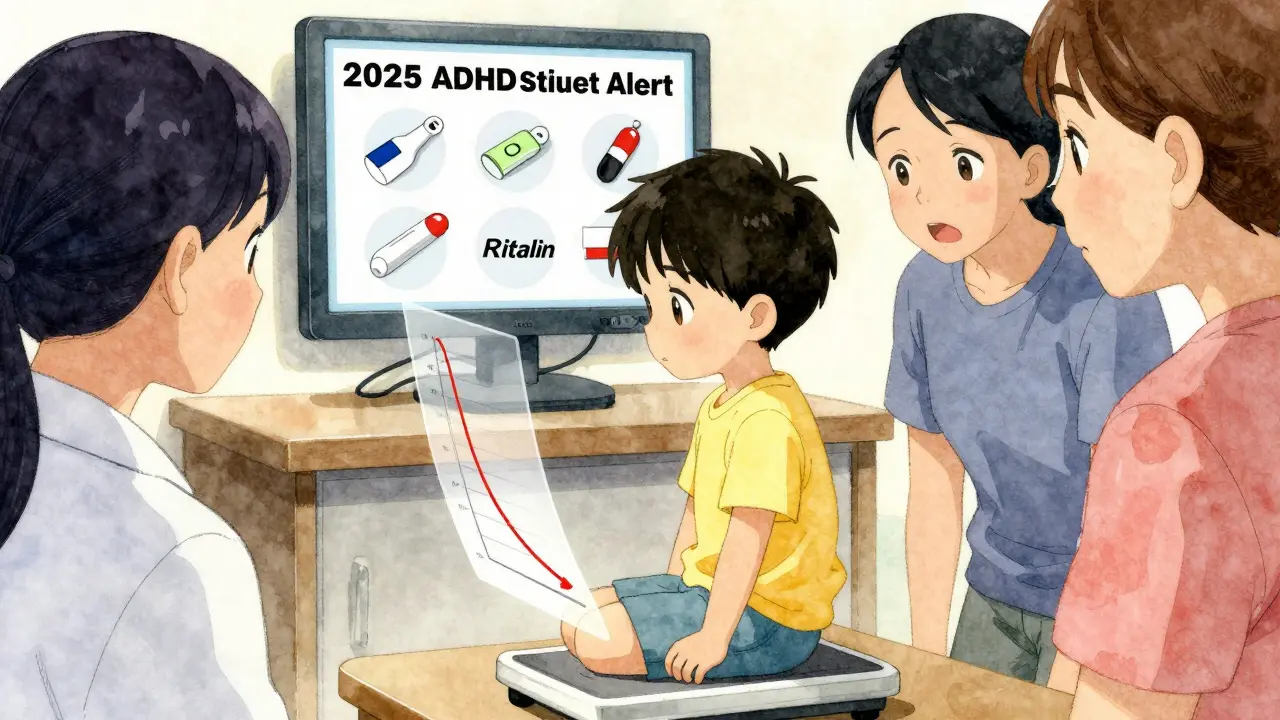
How Healthcare Providers Are Adapting
Doctors aren’t ignoring these alerts. But they’re overwhelmed. A survey by the American Medical Association found that 63% of primary care doctors say they don’t have enough time in a 15-minute visit to explain the new opioid risks. Many don’t know where to send patients for non-drug pain options. And 41% say their clinics don’t offer alternatives like acupuncture, physical therapy, or cognitive behavioral therapy. Some clinics are responding. One practice in Minnesota now uses a digital tool that auto-generates a one-page summary for patients based on their drug and risk profile. Another in Texas added a 10-minute “medication safety check” during annual visits - no extra cost. The FDA offers free resources: Medication Guides in 18 languages, clinician fact sheets, and even accredited continuing education modules. But uptake is slow. Only 18% of family doctors completed the opioid safety course in 2025.The Bigger Picture
These aren’t isolated events. They’re part of a global shift. The FDA is moving from “approve and forget” to “approve and watch.” The Sentinel Initiative - a system that tracks health records from 300 million Americans - is now catching signals faster than ever. By 2027, it’s expected to triple the number of safety alerts. And the FDA’s new goal? Issue a safety communication within 30 days of confirming a risk - down from 60-90 days. That means drugs like Leqembi, which got its MRI warning just one year after launch, will become the norm. And drugs with black box warnings - the strongest FDA alert - may soon be required to prove safety through real-world data before they can be refilled. The cost? Post-approval safety studies are now costing drugmakers 35% more than they did in 2020. That money comes from R&D budgets - which could mean fewer new drugs in the pipeline. But the trade-off? Fewer surprises.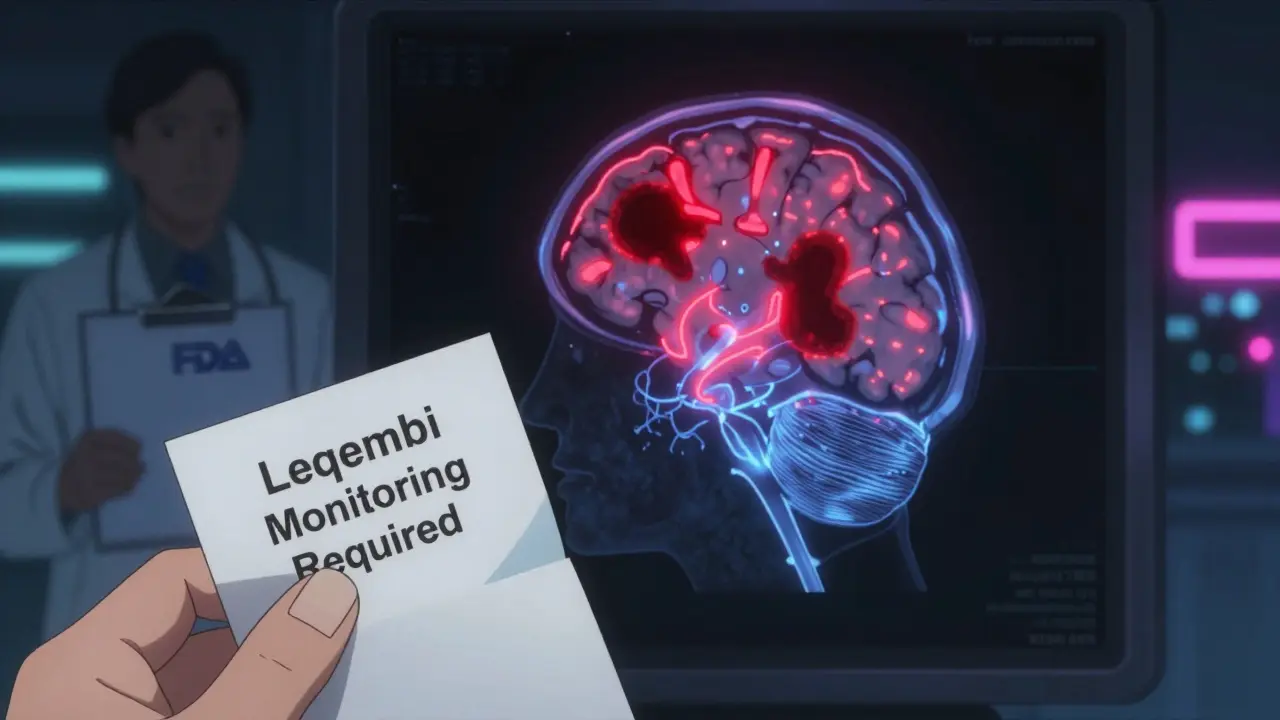
What You Can Do Right Now
1. Check your meds. Go to the FDA’s Drug Safety Communications page. Search by drug name. If you’re on a prescription, it’s worth 5 minutes. 2. Ask your pharmacist. They get updated safety alerts daily. Ask: “Has anything changed about this drug recently?” 3. Keep a medication list. Write down every pill, patch, and injection - including over-the-counter ones. Bring it to every appointment. 4. Know your symptoms. If you feel new dizziness, chest pain, confusion, or swelling after starting a drug - don’t wait. Call your doctor. 5. Don’t stop cold. If a drug gets a new warning, don’t quit it yourself. Talk to your provider. Stopping suddenly can be dangerous.What’s Next?
The next wave of alerts will likely hit:- Weight-loss drugs like Wegovy and Zepbound - long-term heart and liver effects still being studied
- Gene therapies like Sarepta’s AAVrh74 - early data shows possible liver damage in some patients
- Antibiotics for resistant infections - rising cases of kidney injury and neurological side effects
One thing’s clear: Medication safety isn’t static. What’s safe today might carry a warning tomorrow. Stay informed. Stay curious. And never assume a drug is risk-free just because it’s been on the market for years.
What should I do if I find out my medication has a new safety warning?
Don’t stop taking the medication without talking to your doctor. Many warnings don’t mean you need to stop - they mean you need to monitor more closely. Ask your provider: What are the risks? What signs should I watch for? Are there alternatives? Keep your medication list updated and bring it to every appointment.
Are generic drugs affected by these safety alerts?
Yes. If a brand-name drug gets a new warning, the generic version must carry the same one. The FDA requires identical labeling. So if OxyContin got a new opioid risk notice, so did your generic oxycodone. Always check the package insert - it’s the same for both.
Can I trust the FDA’s safety alerts?
Yes. The FDA doesn’t act on rumors. Each alert is based on real data - from clinical studies, hospital records, or patient reports. The opioid labeling changes, for example, were based on two large, multi-year studies involving thousands of patients. The agency has a legal obligation to act when evidence shows harm. While no system is perfect, the FDA’s process is among the most rigorous in the world.
Why do some drugs get removed from the market while others just get new warnings?
It depends on risk vs. benefit. If a drug’s side effects outweigh its benefits for most people - like the weight-loss drug Belviq, pulled in 2020 for cancer risk - it’s removed. But if the drug helps a serious condition and the risk is manageable with monitoring - like Leqembi for Alzheimer’s - the FDA keeps it on the market with strict rules. It’s not about danger. It’s about balance.
Where can I find official updates on drug safety?
The FDA’s official Drug Safety Communications page is the most reliable source: https://www.fda.gov/drugs/drug-safety-and-availability/fda-drug-safety-communications. You can sign up for email alerts, search by drug name, or browse by date. Avoid relying on news headlines - they often oversimplify. Go to the source.
Comments
Weston Potgieter
FDA's been playing whack-a-mole with drug labels while the real problem is pharma's monopoly on data. They wait for bodies to pile up before updating a warning. Opioid addiction rates? Yeah, we knew this was coming. But no one in Congress has the guts to break the patent cartels that keep these drugs overpriced and under-monitored. Just slap a warning on it and call it a day. 🤷
Vikas Verma
This is precisely why precision medicine must integrate real-time pharmacovigilance at the point of care. The Sentinel Initiative is a game-changer - leveraging EHRs and AI-driven anomaly detection to preempt adverse events. We're transitioning from reactive to predictive safety protocols. The future is data-driven, not doc-driven. #PharmacoSafetyRevolution
Sean Callahan
i just got my zyrtec prescription refilled last week and now im reading this?? like wtf. i take it for my allergies and honestly i dont even remember the last time i felt dizzy but what if i did and just thought it was stress?? i dont trust any of this anymore. my doc just hands out scripts like candy. why do they even still sell these if theyre so risky??
phyllis bourassa
The fact that Leqembi requires brain MRIs every few months is both terrifying and kind of beautiful. It means we’re finally treating Alzheimer’s like a real disease - not a slow death sentence. But let’s be real: only the wealthy can afford this. Insurance won’t cover the scans. So who’s really getting this ‘lifesaving’ treatment? The rich. The rest of us? We get the warning label and a prayer. 😔
Susan Purney Mark
I’m so glad this info is out there. 🙌 My mom’s on an opioid for chronic pain and we just had the talk - she’s switching to physical therapy next month. The FDA’s updates aren’t scary - they’re empowering. If you’re on meds, this is your permission slip to ask questions. You’re not being difficult. You’re being smart. 💪❤️
Ian Kiplagat
Interesting. The UK’s MHRA does something similar but with faster turnarounds. Less bureaucracy. More transparency. Maybe we need to adopt their model. Still, good to see the FDA catching up. 👍
Amina Aminkhuslen
They’re calling this progress? Pfft. They’ve been sitting on this data for YEARS. Opioid addiction rates were public in 2018. They waited until 2025 to slap a label on it? That’s not safety. That’s damage control with a PR team. And don’t get me started on how they let ADHD meds stunt kids’ growth for a decade before saying anything. 🤬
amber carrillo
I’m a nurse and I’ve seen too many patients panic when they hear about new warnings. But honestly, this is the best kind of alert - clear, specific, and actionable. It’s not about fear. It’s about awareness. If your doctor doesn’t mention these updates, ask. You deserve to know what you’re putting in your body.
Tim Hnatko
One thing I wish more people understood: generics carry the same warnings. I’ve had patients refuse generic oxycodone because they thought it was 'less dangerous.' Nope. Same chemistry. Same risk. Same label. If your pharmacy gives you a different pill, check the insert. It’s not a trick - it’s the law.
Aaron Pace
just got my first leqembi shot last week 😳 now im reading this and i think im gonna have a panic attack. why did they not tell me about the mris?? my doc just said 'it works' and handed me the script. now i have to go back and ask for scans?? why is this so complicated?? 😭