
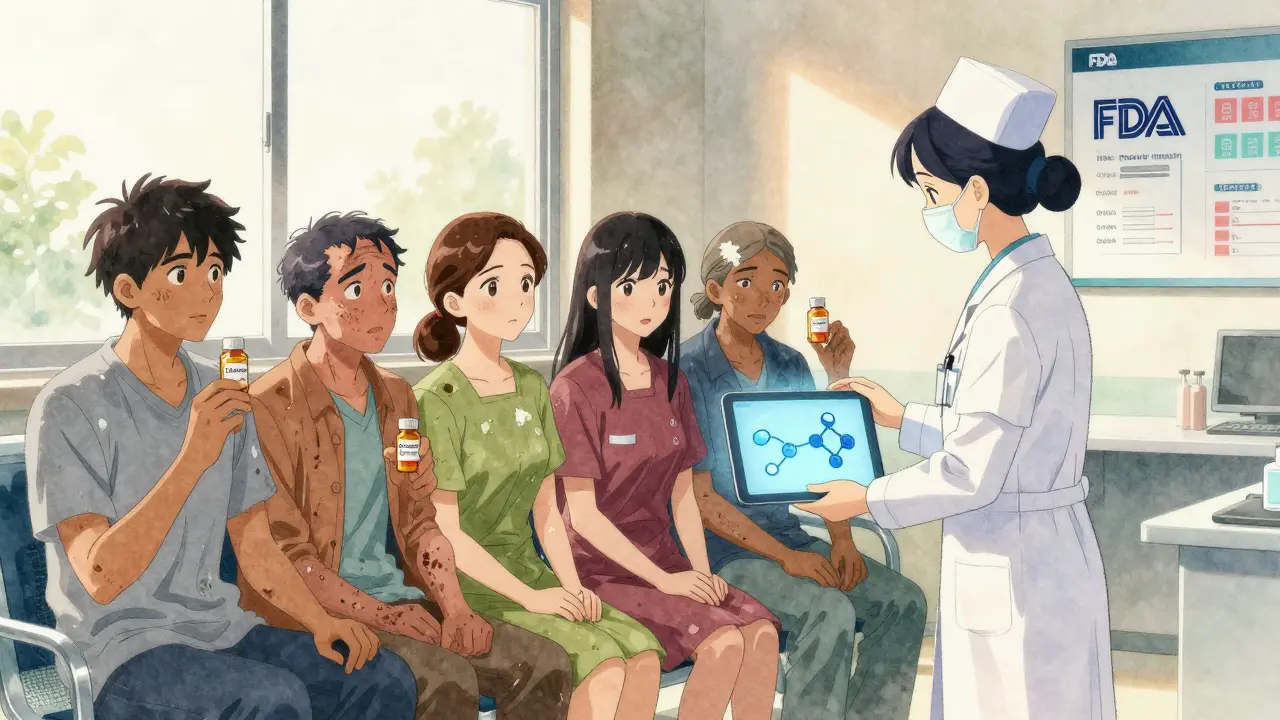
When a worker gets hurt on the job, the goal is simple: get them back on their feet as quickly and safely as possible. But behind the scenes, there’s a quiet battle over what kind of medication they get. For years, brand-name painkillers and anti-inflammatories were the default. Now, generic substitution is the norm - and it’s saving billions across the U.S. workers’ compensation system.
Why Generic Drugs Are the Standard Now
Generic drugs aren’t cheap knockoffs. They’re exact chemical copies of brand-name medications, approved by the FDA to work the same way, in the same dose, and with the same safety profile. The difference? Price. A brand-name drug like Voltaren Gel might cost $100. Its generic equivalent, diclofenac, costs about $20. That’s an 80% drop - and it’s not an exception. In 2023, 89.2% of all prescriptions in workers’ compensation cases were filled with generics, up from just 84.5% in 2015. This shift didn’t happen by accident. States passed laws requiring pharmacists to substitute generics unless a doctor specifically writes "dispense as written" or documents medical necessity. Tennessee’s 2023 Medical Fee Schedule says it plainly: "An injured employee should receive only generic drugs or single-source patented drugs for which there is no generic equivalent." Similar rules exist in 44 states and D.C. California’s program hit 92.7% generic use by 2022. Colorado just raised its bar to 95% starting January 2024.The Cost Difference Is Staggering
Let’s put numbers to it. Between 2014 and 2019, the list price of the top brand-name drugs used in workers’ comp jumped 65.5%. Meanwhile, the cost of their generic equivalents dropped 35%. Compare that to milk and bread - up only 7.4% over the same period. That’s not inflation. That’s a broken system. Pharmacy Benefit Managers (PBMs) like OptumRx, Express Scripts, and Prime Therapeutics - who handle 65% of all workers’ comp pharmacy claims - use formularies to push generics. They block brand-name prescriptions unless the provider submits clinical justification. Why? Because drug costs make up about 20% of total workers’ compensation medical spending. And those costs were rising 4.2% a year before generics took over. A single worker’s prescription for a brand-name NSAID can cost $800 a year. Switch to the generic? $160. Multiply that by thousands of claims. That’s how savings reach into the billions.But It’s Not Always Simple
Just because a generic is cheaper doesn’t mean it’s always easy to use. Some drugs have a narrow therapeutic index - meaning the difference between a helpful dose and a dangerous one is tiny. For these, like warfarin or levothyroxine, doctors are cautious. Even then, studies show less than 2% of substitutions lead to therapeutic failure. The bigger issue? Perception. A 2019 survey found 68% of injured workers believed brand-name drugs were better. They thought generics were weaker, less reliable, or made in sketchy factories. That’s not true. The FDA requires generics to match brand-name drugs in active ingredients, absorption rate, and effectiveness. If a generic didn’t work the same, it wouldn’t be approved. Nurses and occupational therapists spend hours explaining this. One provider told me, "I’ve had workers cry because they were told their painkiller was now a pill they didn’t recognize. They thought they were being treated like second-class patients."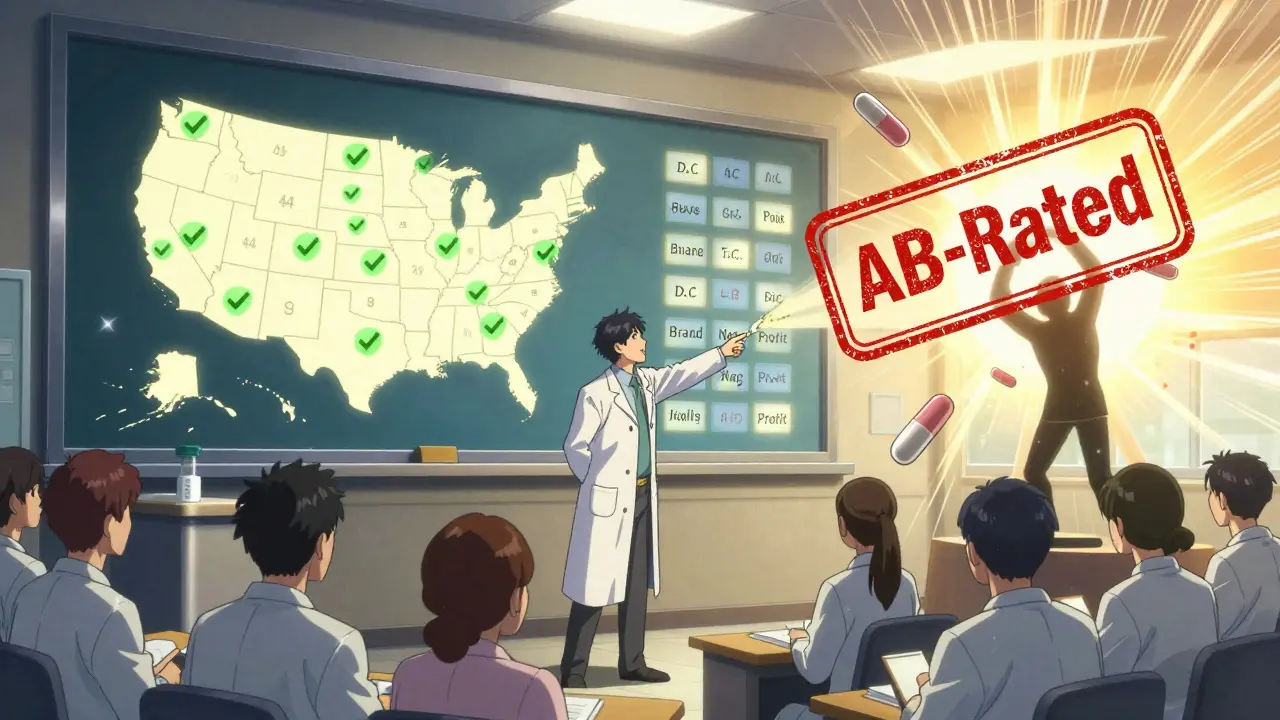
What Providers and Employers Need to Know
If you’re a doctor, nurse, or claims adjuster, you need to know the rules in your state. Some states let pharmacists substitute automatically. Others require the prescriber to opt out in writing. Tennessee demands specific clinical justification - not just "patient prefers brand." That means you can’t write "patient likes the blue pill" and call it a day. You need to document why the generic won’t work. You also need to know the Orange Book. Officially called the "Approved Drug Products with Therapeutic Equivalence Evaluations," it’s the FDA’s list of which generics are rated as bioequivalent. Not all generics are created equal - some are rated AB (fully substitutable), others are BX (not recommended for substitution). PBMs use this data to build their formularies. And don’t forget the lag time. Providers who’ve never used a state’s drug formulary often take 3 to 6 months to get comfortable with substitution rules. Training isn’t optional. Ignorance leads to denied claims, delayed care, and frustrated workers.The New Frontier: Biosimilars and Personalized Medicine
The next wave isn’t just about pills anymore. Biologics - complex drugs made from living cells - are now used for chronic pain, autoimmune conditions, and severe nerve injuries. These used to be impossible to copy. But now, biosimilars are entering the market. Texas launched the first workers’ comp biosimilar substitution protocol in 2022. These aren’t exact copies like traditional generics, but they’re proven to have no clinically meaningful difference. And they cost 30-50% less than the original biologic. Looking ahead, pharmacogenomics - testing a worker’s DNA to predict how they’ll respond to certain drugs - could make substitution even smarter. Instead of guessing which generic works, we’ll know before we prescribe. That’s coming. WCAS predicts it’ll be routine by 2030.
What’s Holding It Back?
The system isn’t perfect. Generic drug prices aren’t always low. Some manufacturers collude to keep prices high. Enlyte’s 2022 analysis found cases where a generic drug’s price spiked 400% overnight - not because of supply issues, but because competitors pulled out of the market. Shortages are another problem. When one factory shuts down - say, due to FDA violations or natural disasters - there’s often no backup. That’s why states are pushing for multiple suppliers. California now requires at least three approved generic sources for every drug on its formulary. Specialty drugs - things like injectables for nerve damage or complex pain syndromes - are another challenge. They make up 12.7% of workers’ comp pharmacy costs but have only 4.3% generic substitution potential. That’s where the real cost pressure is building now.What Workers Should Expect
If you’re injured on the job and get a prescription, you’ll likely get a generic. That’s normal. That’s the law in most places. You won’t be denied care. You won’t get a worse drug. You’ll get the same medicine, just cheaper. If you’re worried, ask for the patient handout from the pharmacy. Most now include a simple explanation: "This medicine has the same active ingredient as [brand name]. It works the same. It’s just less expensive." If you feel worse after switching, tell your provider. It’s rare, but sometimes the fillers or coatings in generics affect people differently. That’s not a failure of the system - it’s a signal to adjust.The Bottom Line
Generic substitution in workers’ compensation isn’t a cost-cutting gimmick. It’s evidence-based medicine wrapped in smart policy. It’s how we keep the system from collapsing under its own weight. It’s how we make sure injured workers get the care they need without bankrupting employers or insurers. The data is clear: generics work. They’re safe. They’re effective. And they’re the future.What’s changing now is how we talk about it. We’re moving from suspicion to science. From fear to facts. And that’s the real win.
Comments
Eli Kiseop
Ive been on generic pain meds for two years after my back injury and honestly didnt even notice the difference
My doc said the active ingredient is identical and the FDA makes sure of it
Went from paying $700 a year to $120
Why are people still scared of this
Monica Slypig
Generic drugs are a joke made in china and india
They dont have the same quality control
My cousin took a generic and ended up in the ER
Americans should demand real medicine not third world pills
Becky M.
Just wanted to say thanks to the people who fight for this stuff
Im a nurse and i see workers panic when they get a different pill
Its not about the drug its about fear and lack of info
We hand out those little sheets now and it helps so much
Its not perfect but were getting there
jay patel
Look i get it you want to save money but you cant just swap out medicine like its a lightbulb
Some people metabolize things differently and the fillers in generics can mess with their gut or cause rashes
And dont even get me started on how some pharmacies use the cheapest generic possible even if its not the best bioequivalent
Its not about being anti-generic its about being pro-patient
And yes i know the stats but real life isnt a spreadsheet
Ansley Mayson
Generic substitution is just corporate cost cutting disguised as progress
They dont care about workers they care about profit margins
And dont even mention biosimilars those are even more sketchy
Just admit its about saving money not better care
Dan Pearson
Oh wow so now we're all supposed to be grateful for getting the cheap version of our pain meds
Like its a gift not a downgrade
And the FDA approves it sure but they also approved thalidomide once
My buddy took a generic for nerve pain and it made him hallucinate
So yeah thanks for the savings but i'll stick with my blue pill thanks very much
Brett MacDonald
Its funny how we think medicine is just chemistry
But its also psychology
That blue pill isnt just diclofenac its hope wrapped in a color
When you switch it you dont just change the drug you change the ritual
And rituals matter more than we admit
Thats why people cry
Not because the drug doesnt work
But because they feel like they lost something
Sandeep Kumar
India makes the best generics in the world
Our pharma industry is the backbone of global health
Stop the american fearmongering
Generic drugs are not inferior they are intelligent economics
And if you cant handle a white pill instead of a blue one maybe you need therapy not medicine
Gary Mitts
My cousin got switched to generic and now he can actually work again
So yeah i call that a win
Also the blue pill wasnt magic it was just expensive
And dont get me started on PBMs
Theyre the real villains
clarissa sulio
Theyre just trying to make sure injured workers get the care they need without the system collapsing
Its common sense not conspiracy
And if you think brand name is better you havent looked at the data