
When you stand up too fast and feel like the room is spinning, that’s often orthostatic hypotension, a drop in blood pressure upon standing that causes dizziness or fainting. Also known as postural hypotension, it’s not just an annoyance—it’s a signal your body isn’t adjusting blood flow properly.
This happens because gravity pulls blood down into your legs when you stand, and if your heart and blood vessels don’t react fast enough, your brain gets less oxygen. It’s common in older adults, but it can affect anyone. People on blood pressure medications, drugs like diuretics, beta-blockers, or antidepressants that lower blood pressure are especially at risk. Even dehydration, a simple lack of fluids can trigger it. If you’ve switched to a new generic drug recently, that could be the cause too—small formulation changes in generics can sometimes affect how your body handles blood pressure.
It’s not just about feeling lightheaded. Falls from dizziness can lead to fractures, especially in older people. And if it happens often, it might point to something deeper—like nerve damage from diabetes, Parkinson’s, or heart problems. Some people notice it only after meals, or after being in hot showers. Others get it after long periods of sitting or lying down. The pattern matters. Tracking when it happens, how long it lasts, and what you were doing right before can help your doctor find the root cause.
You don’t have to live with it. Simple moves—like standing up slowly, drinking water before getting out of bed, wearing compression socks, or avoiding alcohol—can make a big difference. If you’re on medication that’s likely causing it, your doctor might adjust the dose or timing. Some people benefit from increasing salt intake under medical supervision. But never change your meds on your own. The posts below cover real cases: how people tracked symptoms after safety alerts, why switching to generics sometimes triggers side effects, how certain antidepressants mess with blood pressure, and what to do when a medication makes you feel dizzy. You’ll find practical advice on spotting the signs, managing risks, and knowing when to push for answers.
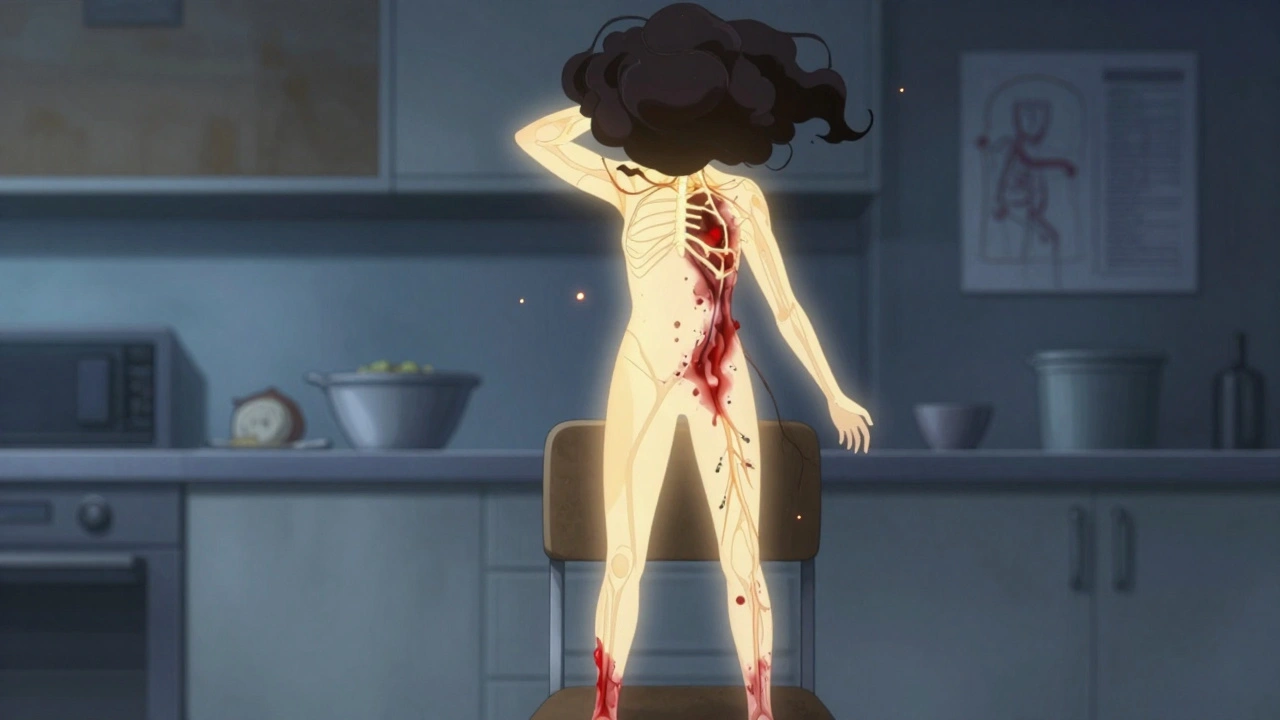
Autonomic neuropathy causes dangerous drops in blood pressure and severe digestive problems like gastroparesis and SIBO. Learn how it develops, how it's diagnosed, and what actually works to manage symptoms.