
When a pharmaceutical company develops a new drug, it gets a patent term extension, a legal adjustment that adds time to a drug’s patent after it’s approved by the FDA, compensating for delays in the approval process. Also known as drug exclusivity extension, it’s not a new patent—it’s a clock reset on the original one, giving the brand-name maker more time to profit before generics can enter the market. This isn’t just bureaucracy; it’s a financial lifeline for companies that spent years and hundreds of millions developing a drug, only to lose months waiting for FDA review.
Patent term extension is tied directly to the Hatch-Waxman Act, a 1984 U.S. law that balanced innovation and access by allowing generic drug makers to challenge patents and enter the market faster. This law created the ANDA pathway for generics, but it also gave brand companies a way to make up for lost time. Without this extension, many drugs would lose exclusivity before they even turned a profit. The extension can add up to five years, but the total market exclusivity—including the original patent and regulatory review—can’t exceed 14 years from FDA approval. That’s why you’ll see some brand drugs stay expensive for longer than you expect—even after the original 20-year patent expires. It’s not just about patents; it’s about timing, regulation, and money.
And it’s not just the drugmakers who feel the impact. When a patent term extension kicks in, generics are blocked from launching. That means you, the patient, pay more. It also affects insurance plans, pharmacies, and public health programs that rely on affordable options. You’ll find this playing out in posts about authorized generics, when brand companies release their own cheaper versions to compete with true generics and protect profits, or in discussions about copay assistance cards, which help patients afford brand drugs during the extension period when no generics are available. Even generic drug approval, the FDA’s process for ensuring generics are as safe and effective as the brand, is shaped by how long these extensions last.
Some extensions are granted for drugs that treat rare diseases or take longer to test. Others are challenged in court. But the bottom line is simple: every extra month of exclusivity means higher prices. And when those months add up, it changes who can afford treatment. Below, you’ll find real-world examples of how this system affects access, pricing, and patient choices—from the delay of a generic kidney drug to the sudden drop in price after an extension finally expires. These aren’t abstract policies. They’re decisions that land on your pharmacy receipt.
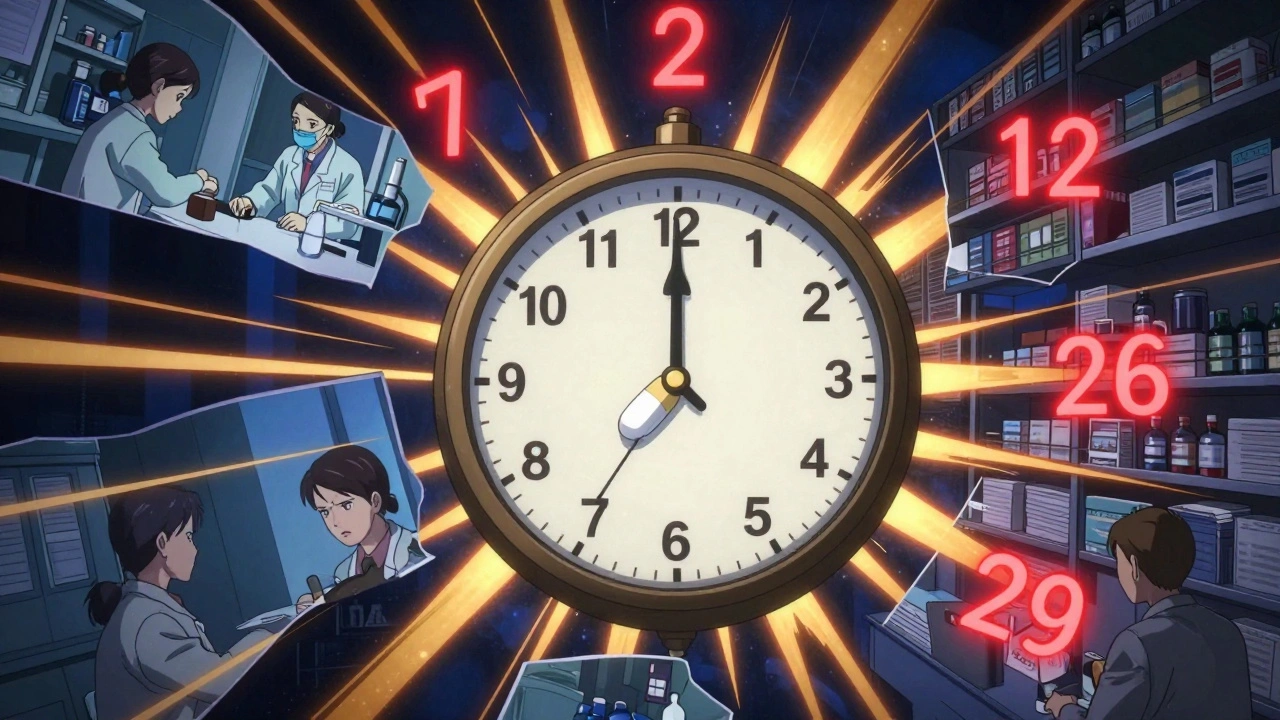
Effective patent life for drugs is often just 12 to 15 years-not the full 20-because most of the patent term is used up during development and FDA approval. Learn how patents, exclusivities, and legal strategies shape drug pricing and access.