

Men with an enlarged prostate must avoid common decongestants like pseudoephedrine. These drugs can cause sudden urinary retention, requiring emergency catheterization. Safer alternatives exist - here’s what to use instead.

DOACs like apixaban offer lower bleeding risks and no dietary restrictions compared to warfarin, making them the preferred choice for most patients-except those with mechanical heart valves or severe kidney disease.
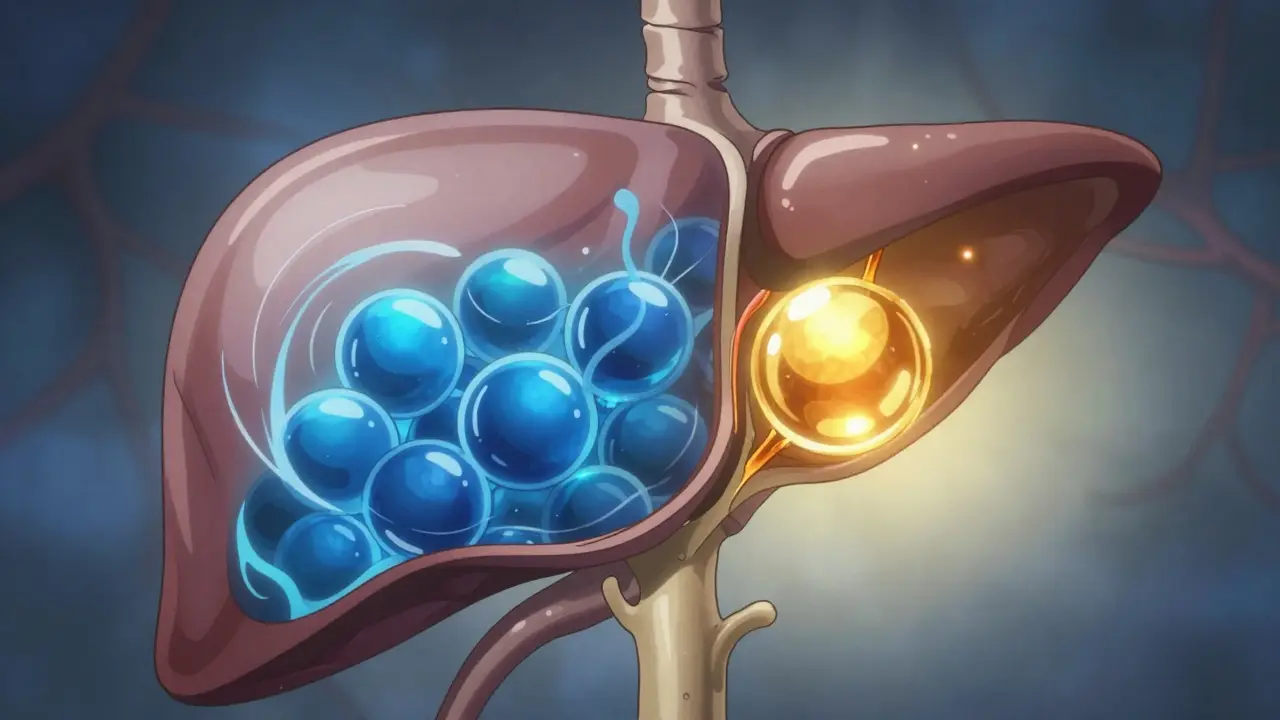
Alcohol can dangerously lower blood sugar when combined with diabetes meds like metformin or insulin. Learn how this happens, the risks to your liver, and safe practices to avoid emergencies.

Orphan drug exclusivity provides seven years of market protection for rare disease drugs in the U.S. Enacted in 1983, it drives development for conditions affecting fewer than 200,000 people. Since then, over 500 drugs have been approved, up from 38 in the prior decade. Challenges include pricing and global variations in exclusivity periods.

SGLT2 inhibitors like Jardiance and Farxiga offer heart and kidney protection for type 2 diabetes, but come with risks like infections and ketoacidosis. Learn who benefits most and who should avoid them.

Understand the differences between ACL and meniscus injuries, when surgery is necessary, recovery timelines, and how to avoid long-term knee damage. Learn what really works based on current medical evidence.

Generic substitution in workers' compensation saves billions annually by replacing expensive brand-name drugs with equally effective generics. Learn how state laws, PBMs, and FDA standards make this the new standard in occupational health.

Pairing medications with daily habits like brushing teeth or drinking coffee can boost adherence by up to 50%. Simple, free, and backed by science, this method helps you take your meds without thinking about it.

Vortioxetine can cause nausea in up to 30% of users early in treatment, but it usually fades within two weeks. Learn how to manage it with dosing tips, ginger, food timing, and when to call your doctor.

Metformin is the first-line treatment for type 2 diabetes, but myths about stomach issues, B12 loss, and long-term danger persist. Here’s what the science really says about tolerability, vitamin B12, and safety over years of use.