

Learn how to tell the difference between a true drug allergy and a common side effect. Mislabeling reactions can lead to dangerous treatments, higher costs, and unnecessary risks - here’s how to get it right.

Pharmacist substitution authority lets pharmacists swap, adjust, or prescribe medications in many U.S. states. Learn what they can do in 2025, how laws vary by state, and why this shift is changing healthcare access.

Learn how to legally refuse generic drug substitution and request brand-name medications. Understand your rights, state laws, and practical steps to protect your health when switching drugs could be risky.

Cough and breathlessness from medications are often mistaken for hypersensitivity pneumonitis, but true HP is caused by inhaled environmental antigens - not drugs. Learn the real causes, how to tell them apart, and what to do next.

A Medical Power of Attorney lets you choose someone to make medication and treatment decisions for you if you can't speak. Learn how to set it up, why it prevents family conflicts, and how to make sure your wishes are followed.

Hydration plans are a proven way to protect kidneys from damage caused by contrast dye used in medical imaging. Learn which patients need IV fluids, which can drink water, and how advanced systems like RenalGuard reduce kidney injury by up to 68%.

Social media is transforming drug safety by giving regulators real-time access to patient experiences. But with 68% false positives and major privacy concerns, it’s a powerful tool - not a replacement - for traditional pharmacovigilance.

Loperamide abuse is rising as people misuse OTC antidiarrheals to manage opioid withdrawal. At high doses, it causes life-threatening heart rhythms. Learn the warning signs, risks, and what to do if someone is abusing Imodium.
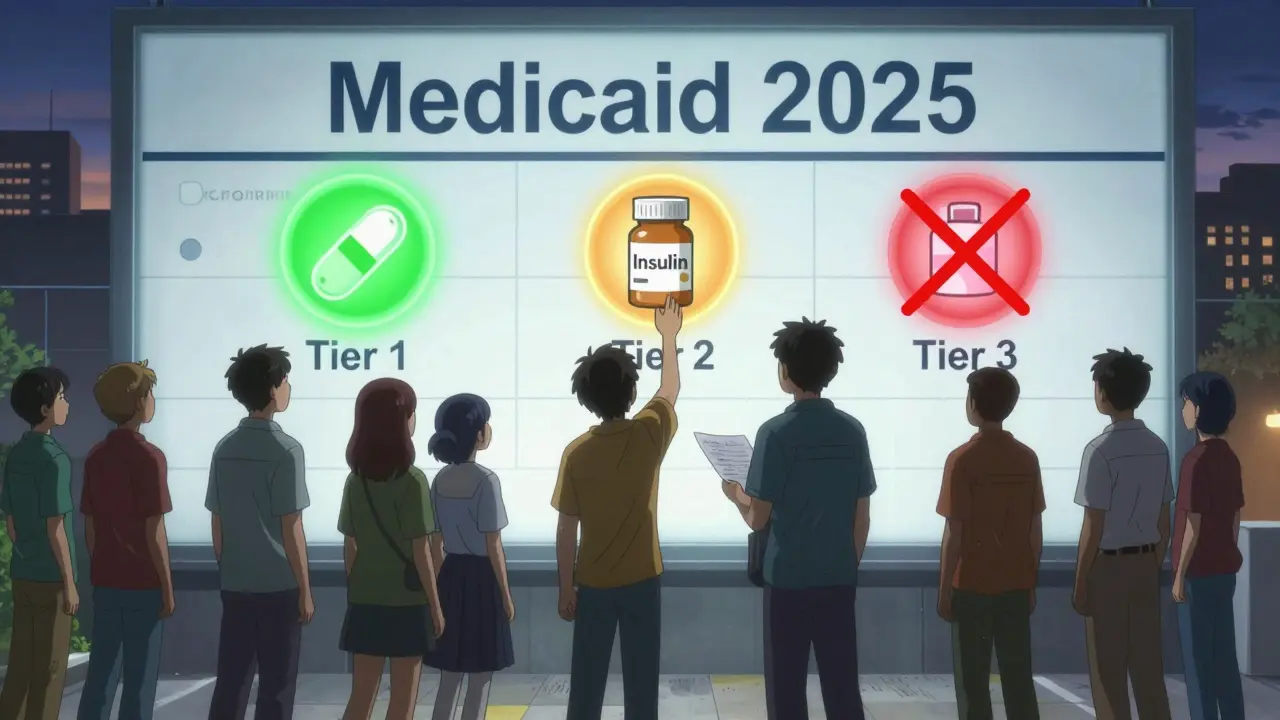
Medicaid covers prescription drugs for 85 million Americans, but coverage varies by state. Learn what's included, how step therapy and prior auth work, copay limits, and how to navigate formularies in 2025.

Combining NSAIDs like ibuprofen or naproxen with blood thinners can double or triple your risk of dangerous bleeding. Learn why this interaction is so deadly, which painkillers are safe, and how to protect yourself.