

Learn how to use the FDA Drug Shortage Database to check if your medication is in short supply. Find out how to search by generic name, verify NDC codes, and understand shortage status updates.

Home health services help seniors safely manage multiple medications at home by reducing errors, preventing hospital visits, and creating personalized systems. Learn how to access, use, and maximize these services for better health outcomes.

Chronic opioid-induced nausea affects 20-33% of long-term users. Learn how diet, hydration, opioid rotation, and specific antiemetics can reduce nausea when standard advice fails. Evidence-based strategies for real relief.

Decongestants like pseudoephedrine and phenylephrine can raise blood pressure and interfere with heart medications. Learn which OTC cold remedies to avoid and safer alternatives if you have hypertension.
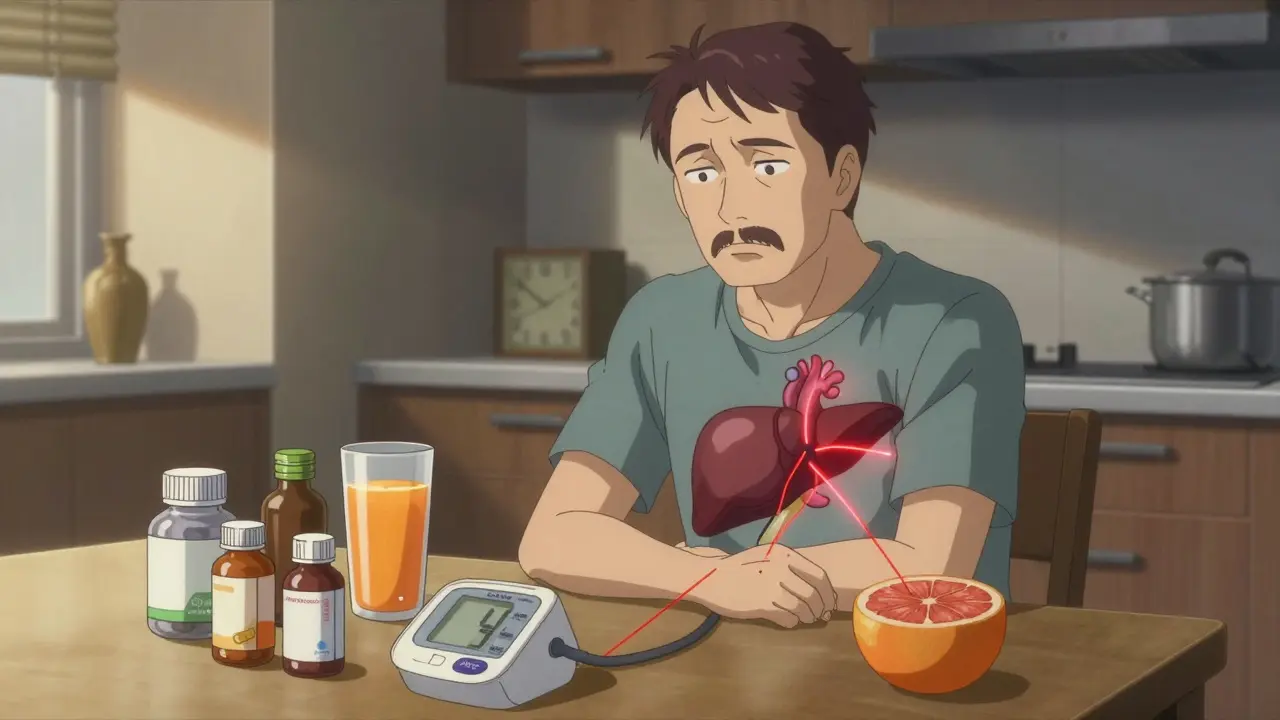
Drug interactions can make medications dangerous or ineffective, leading to thousands of preventable hospitalizations and deaths each year. Learn what causes them, who's at risk, and how to protect yourself.

Men with an enlarged prostate must avoid common decongestants like pseudoephedrine. These drugs can cause sudden urinary retention, requiring emergency catheterization. Safer alternatives exist - here’s what to use instead.

DOACs like apixaban offer lower bleeding risks and no dietary restrictions compared to warfarin, making them the preferred choice for most patients-except those with mechanical heart valves or severe kidney disease.
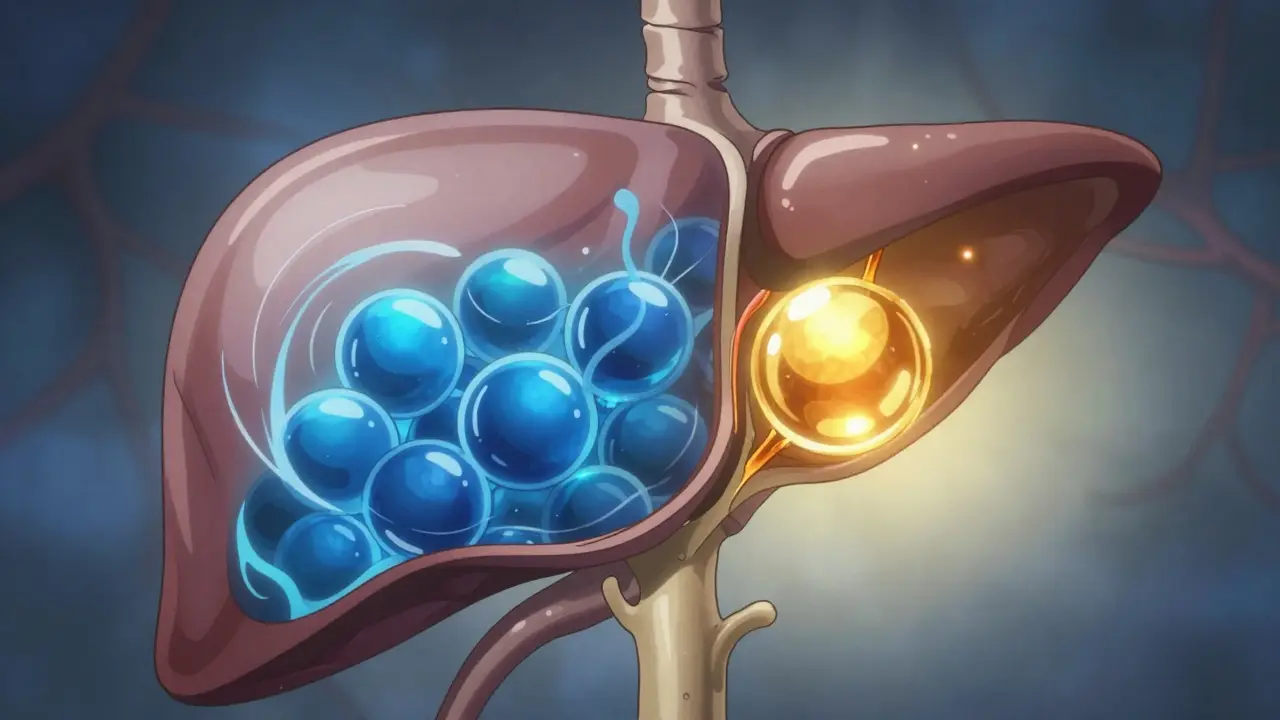
Alcohol can dangerously lower blood sugar when combined with diabetes meds like metformin or insulin. Learn how this happens, the risks to your liver, and safe practices to avoid emergencies.

Orphan drug exclusivity provides seven years of market protection for rare disease drugs in the U.S. Enacted in 1983, it drives development for conditions affecting fewer than 200,000 people. Since then, over 500 drugs have been approved, up from 38 in the prior decade. Challenges include pricing and global variations in exclusivity periods.

SGLT2 inhibitors like Jardiance and Farxiga offer heart and kidney protection for type 2 diabetes, but come with risks like infections and ketoacidosis. Learn who benefits most and who should avoid them.